Mold on a flooded home's walls and floors is rarely a do-it-yourself job when the water was deep or sat for days. EPA says small surface patches under about 10 square feet are manageable. Call the number on this page to be connected with a local mold company in Apex.
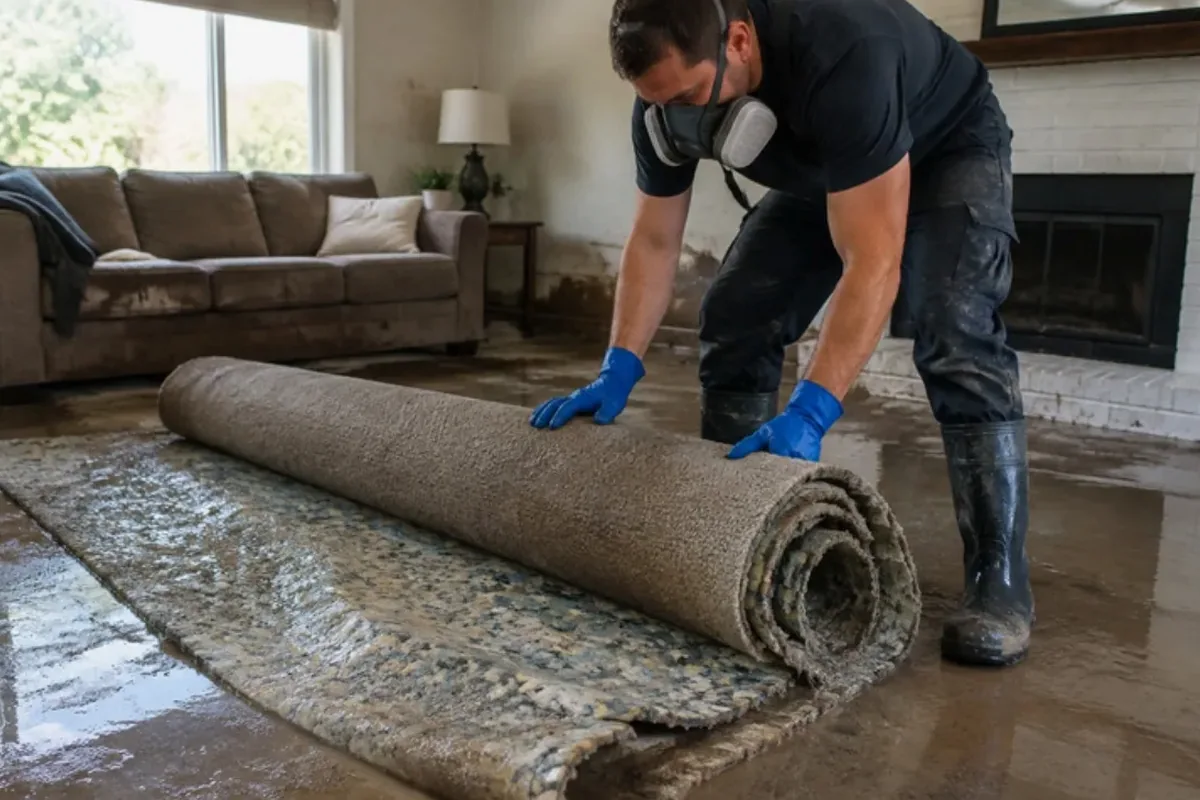
What to do while you wait for help
- Photograph every wet room and item.
- Turn off power to flooded areas if safe.
- Move belongings to dry spots.
- Start air movement and dehumidifiers.
Skip bleach; EPA does not generally recommend it for routine cleanup. Photos also help any insurance claim later.
Red clay holds on to water
Piedmont clay drains slowly, so water pools against foundations after a storm and stays there. Poor grading and downspouts that empty near the house send even more toward the crawl space, extending the time wood framing stays wet. Fixing grade often helps, since the water has to go somewhere.
Local facts for a Apex mold job
Ask whether the job, including any rebuild, could reach $40,000. At that size state law requires a general contractor license, which you can confirm in the NCLBGC online lookup by name or license number.
Tenants should put leak and mold complaints in writing. North Carolina's landlord statute, G.S. 42-42, covers repairs needed to keep a rental fit to live in.
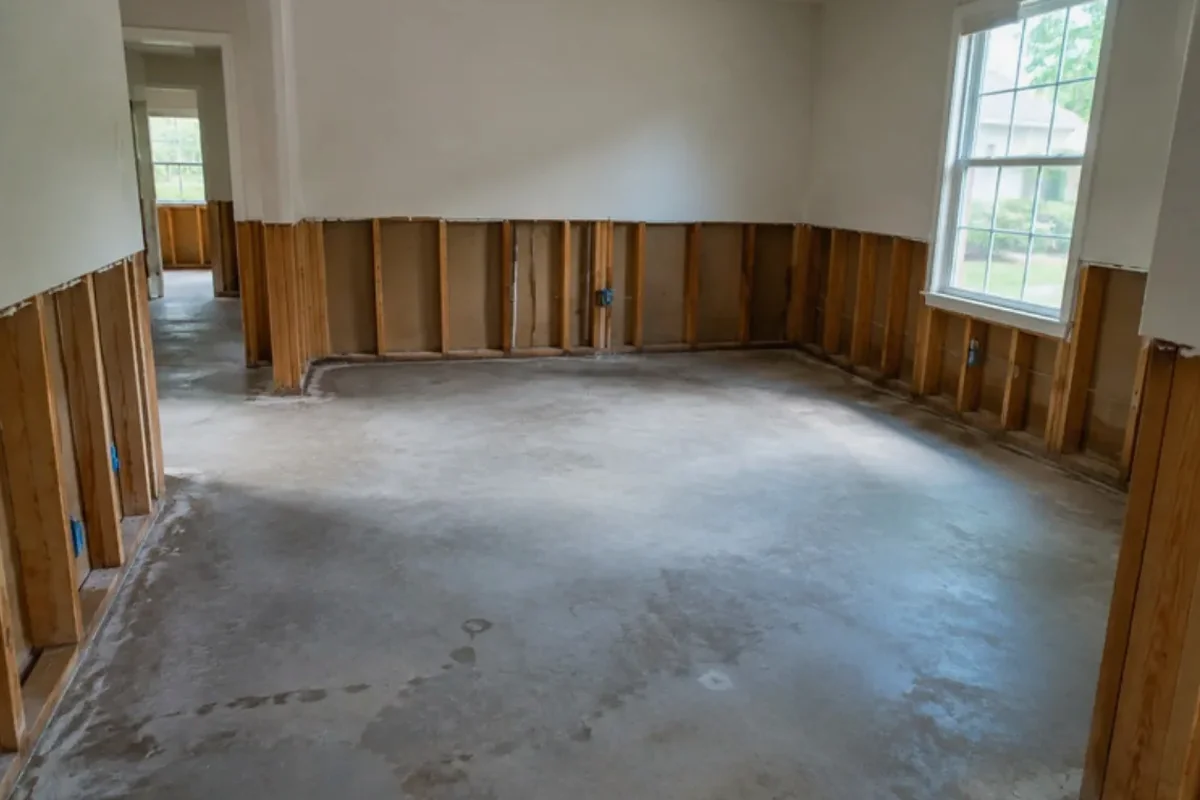
Once the moldy material is gone, the rebuild is its own step, and some of it, like new ductwork or structural framing, may need sign-off from the Town of Apex Building Inspections & Permitting office.
Flood water and a burst pipe are usually treated differently by insurers; the state's FRIS flood maps show whether a lot sits in a mapped flood zone.
Callers here are often matched with companies that work in Holly Springs, Cary and Morrisville as well.
Drying equipment and time
Dehumidifiers, air movers and monitoring add up over several days. Companies usually price drying by the rooms involved and how long equipment runs, so keep a log of readings and ask for them. Faster action tends to shorten that run time. Moisture mapping shows which rooms count.
Sampling is rarely the first step
When growth is visible, EPA says sampling usually is not needed. North Carolina public health guidance also advises caution about air sampling first and about hiring a consultant who also does the cleanup. Drying and removal come before measuring. Photos protect you if questions come up later.
Grade and drainage matter
Soil that slopes toward the foundation guides rain into the crawl space. Regrading, a French drain or a sump pit can send water elsewhere. Even moving a downspout a few feet can change how long the ground stays soggy near the house. Many homeowners also add a dehumidifier.
Around Apex
Calls come in from across Apex, including Salem Street, Apex Historic District, Apex Union Depot.
Apex's historic district holds 60 buildings constructed from 1870 to 1940, so downtown has some very old building stock.
Storm & Flood Mold Removal questions in Apex
Does homeowners insurance cover flood mold in Apex?
How do I know if the crawl space is the problem?
Can a landlord ignore storm damage?
Where do I find out if my house is in a flood zone?
More mold services in Apex
Storm & Flood Mold Removal nearby
Helpful guides
Sources
- Town of Apex Building Inspections & Permitting
- Wake County Permits and Inspections: flood information
- N.C. General Statutes 87-1: general contractor license
- NC Licensing Board for General Contractors: consumer FAQ
- NC Division of Public Health: choosing a mold consultant
- N.C. General Statutes 42-42: landlord to provide fit premises
- NC Flood Risk Information System
Last updated: