After a storm or flood, mold can spread through wet drywall, flooring and insulation quickly, and floodwater adds contamination that ordinary leaks do not. Cleanup means removing soaked materials, drying the structure and treating what remains. Call the number on this page to be connected with a local mold company in Raleigh.
Why storm water is different
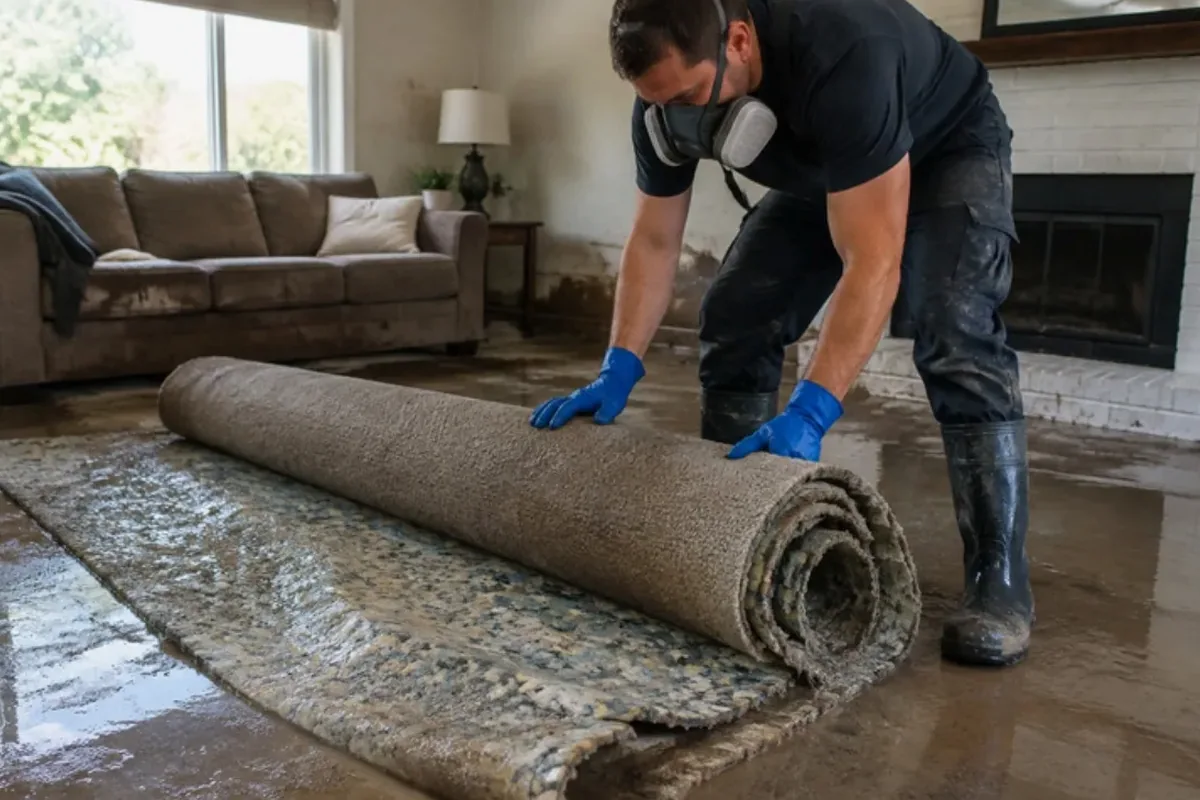
Heavy rain from tropical systems can push water into a house through windows, doors, roofs and low foundation walls, and it can rise from creeks and storm drains. Red Piedmont clay drains slowly, so yards stay saturated and water lingers against foundations and under vented crawl spaces. Floodwater also carries soil and bacteria, so porous materials it touched, such as carpet pad, insulation and drywall, are normally removed rather than cleaned.
Know your flood exposure
The NC Flood Risk Information System, FRIS, shows flood hazard data and maps for the state, and the City of Raleigh Stormwater Management Division can help confirm whether an address sits in a flood zone. The city notes that some flood-prone areas may not appear on FEMA maps. If your house is in a floodplain, repairs can require building and flood permits before work begins, so ask the city before any rebuild.
How cleanup usually goes
- Safety first: turn off power to wet areas and wear protective gear.
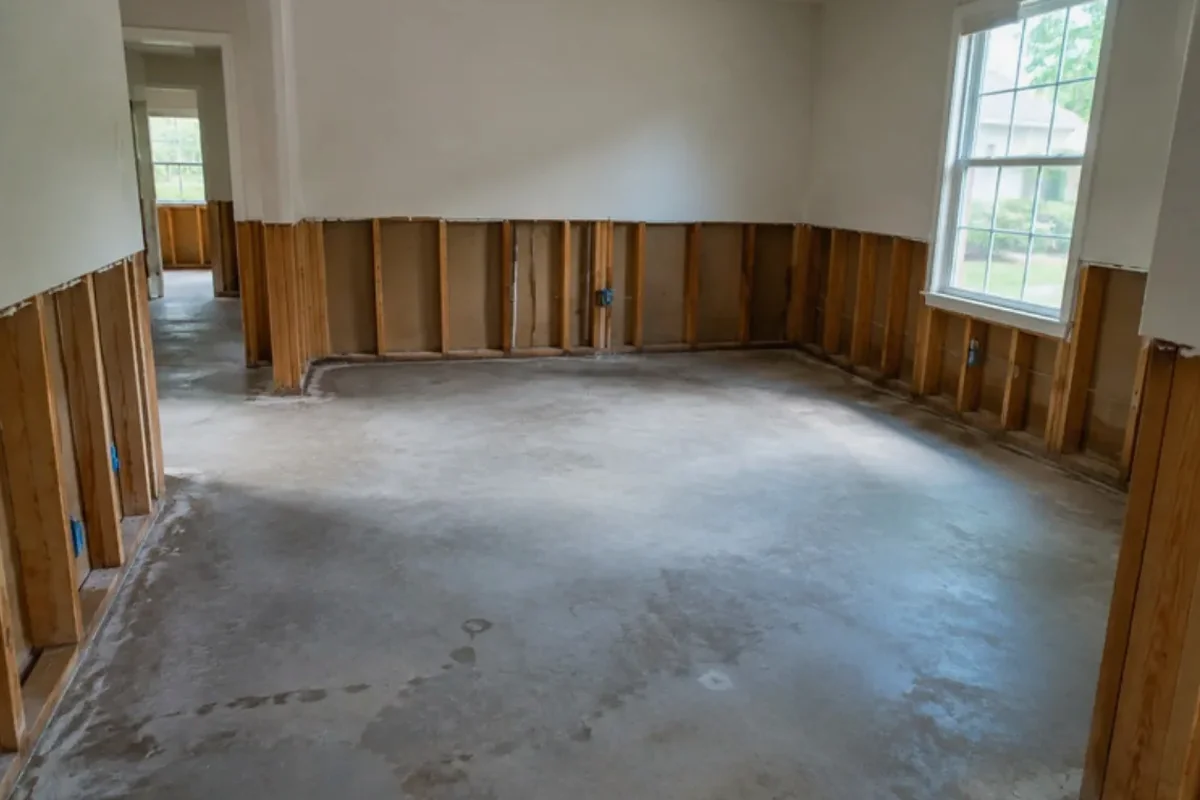
- Pump out standing water and remove wet flooring, pad and lower drywall.
- Run dehumidifiers and air movers; EPA urges drying within 24 to 48 hours.
- Remove visible growth under containment, then clean and dry surfaces.
- Check crawl spaces and ductwork, which often hold moisture unseen.
Cost and hiring
Neighborhoods near Crabtree Creek, the Neuse and other waterways see the most repeat trouble, but a clogged gutter or a failed sump pump can flood a dry lot too. Photograph damage before anything is removed, keep receipts, and ask each company to explain what is removal, drying and rebuild in the estimate.
A Raleigh cost guide from HomeBlue shows remediation at about $4,900 to $9,800 for 500 square feet and $9,800 to $19,600 for 1,000 square feet. Flood jobs can exceed those ranges when much material must be torn out, and rebuilding is separate. Under G.S. 87-1, North Carolina requires a general contractor license at $40,000 or more, which a whole-house flood rebuild can reach; check it with the NC Licensing Board for General Contractors lookup. After a disaster, get written estimates and be wary of door-to-door offers. The NC Division of Public Health also recommends keeping the assessor separate from the company doing the removal. Complaints can go to the NC Department of Justice.
Storm & Flood Mold Removal questions from Raleigh homeowners
How long do I have to dry out after a flood?
Can flooded drywall and insulation be saved?
How do I find out whether my home is in a flood zone?
Is the work covered by flood insurance?
Related mold services in Raleigh
Helpful guides
Storm & Flood Mold Removal in nearby cities and towns
Wake County
Durham County
Orange County
Johnston County
Franklin County
Harnett County
Granville County
Nash County
Vance County
Chatham County
Sources
Last updated: