Heavy rain from a passing tropical system can soak a house even without a river overflowing, through leaks at the roof, window wells and foundation. Damp rooms afterward deserve a closer look. Call the number on this page to be connected with a local mold company in Clayton.
When the job is bigger than a mop
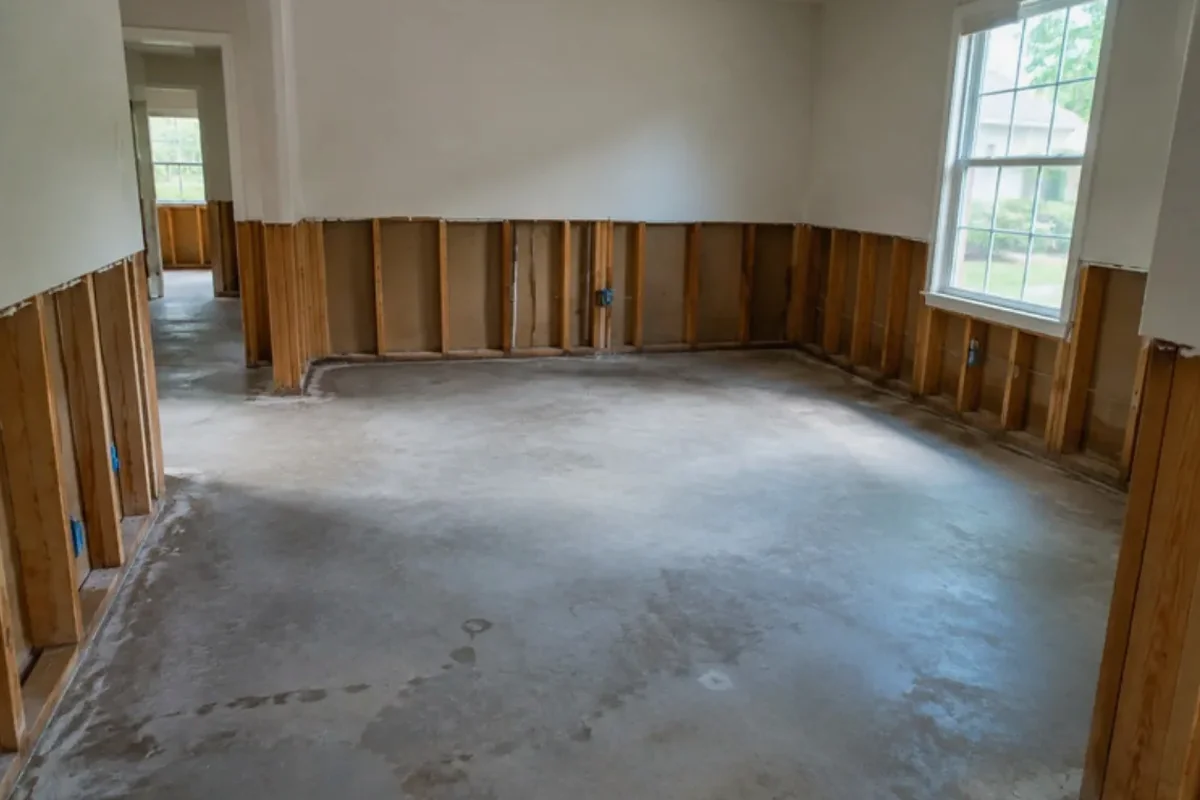
If water stood more than a day, rose above the baseboards, or reached the crawl space insulation, the damage typically exceeds what a homeowner can handle. EPA's rule of thumb for cleaning it yourself is a patch under roughly 10 square feet.
Why summer storms are worst
Warm, humid air speeds mold growth. Flooding in late summer and early fall, the peak season for tropical rain, hits right when conditions favor growth, so waiting a week to start drying costs far more than it would in cooler months. Quick drying decides the outcome here.
A lot of Clayton's homes went up in the 2000s, with tighter envelopes and slab foundations, so floodwater that gets in tends to stay trapped behind drywall and flooring.
Homes near a river, creek or lake can see water rise on the lot even when the rain has stopped, and floodwater from them tends to carry silt and debris into crawl spaces and lower rooms.
Large jobs and the license rule
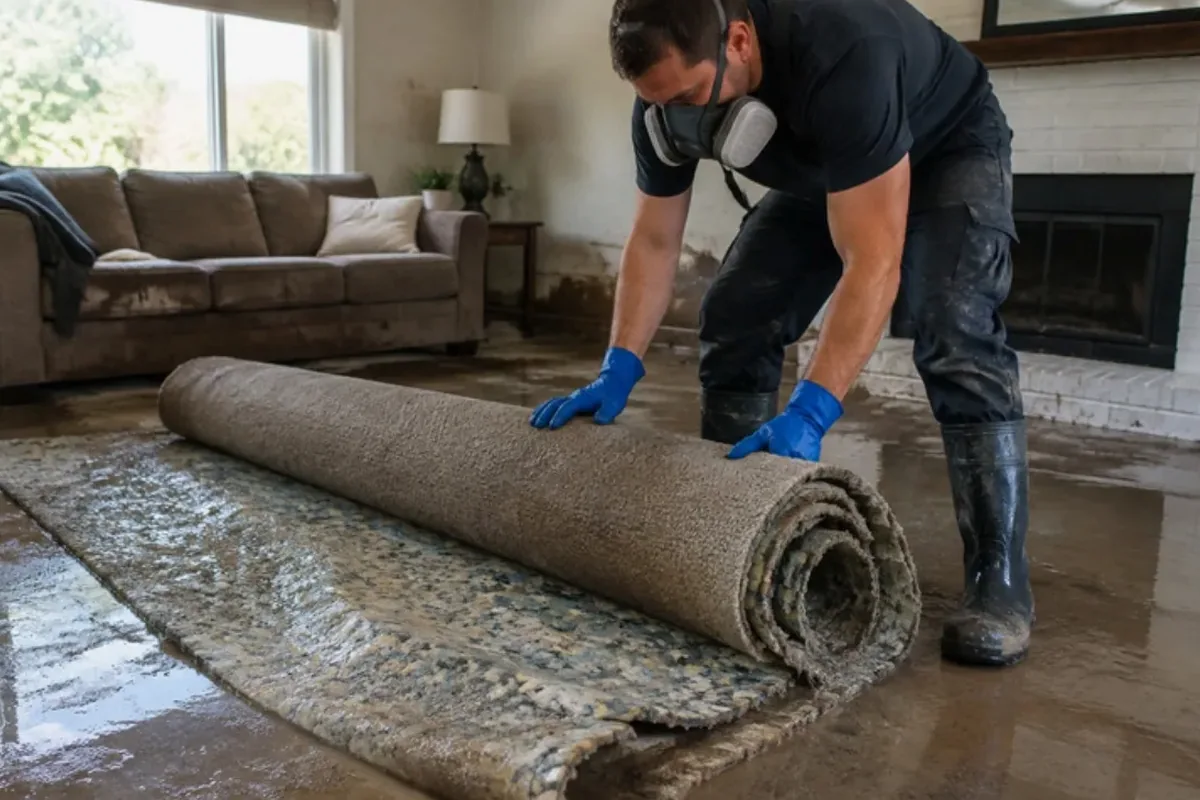
If cleanup turns into a full rebuild reaching the $40,000 mark, North Carolina requires a general contractor license. Look up anyone quoting that scope with NCLBGC. Smaller jobs may sit below it, but ask what the company holds before you sign. Ask early, before any bid is signed.
Before you hire in Clayton
Ask whether the job, including any rebuild, could reach $40,000. At that size state law requires a general contractor license, which you can confirm in the NCLBGC online lookup by name or license number.
Renting? N.C.G.S. 42-42 requires landlords to keep a home fit and habitable and to repair supplied plumbing and heating; outside an emergency, send the repair request in writing.
Once the moldy material is gone, the rebuild is its own step, and some of it, like new ductwork or structural framing, may need sign-off from the Town of Clayton Development Services office.
Flood water and a burst pipe are usually treated differently by insurers; the state's FRIS flood maps show whether a lot sits in a mapped flood zone.
Callers here are often matched with companies that work in Smithfield, Wendell and Selma as well.
After the dry-down
Once readings show materials are dry, rebuilding can begin: insulation, drywall, trim and flooring. Some homeowners request independent clearance testing before closing up walls, which is reasonable on a big job and worth discussing with the company. Ask for a drying log showing each day's readings.
Before the next storm
- Clean gutters and extend downspouts
- Check crawl space vents and the vapor barrier
- Know where the power and water shutoffs are
- Move valuables off ground-level floors
A short list like this takes an afternoon and limits the damage. Repeat it each spring and before hurricane season peaks.
Around Clayton
Calls come in from across Clayton, including US 70, Clayton River Walk on the Neuse, The Clayton Center.
Clayton is in the Neuse River watershed and its town limits extend northeast to the river.
Storm & Flood Mold Removal questions in Clayton
How soon does mold grow after a flood?
What should I throw away after flooding?
Does homeowners insurance cover flood mold in Clayton?
Is it safe to stay in the house?
More mold services in Clayton
Storm & Flood Mold Removal nearby
Helpful guides
Sources
- Town of Clayton Development Services / Inspections
- Johnston County Building Inspections Department: flood information
- N.C. General Statutes 87-1: general contractor license
- NC Licensing Board for General Contractors: consumer FAQ
- NC Division of Public Health: choosing a mold consultant
- N.C. General Statutes 42-42: landlord to provide fit premises
- NC Flood Risk Information System
Last updated: