Floodwater carries mud and contaminants, so cleanup is more than drying. A local mold company can remove damaged materials, clean and dry the structure and tell you what is worth saving. Call the number on this page to be connected with a local mold company in Smithfield.
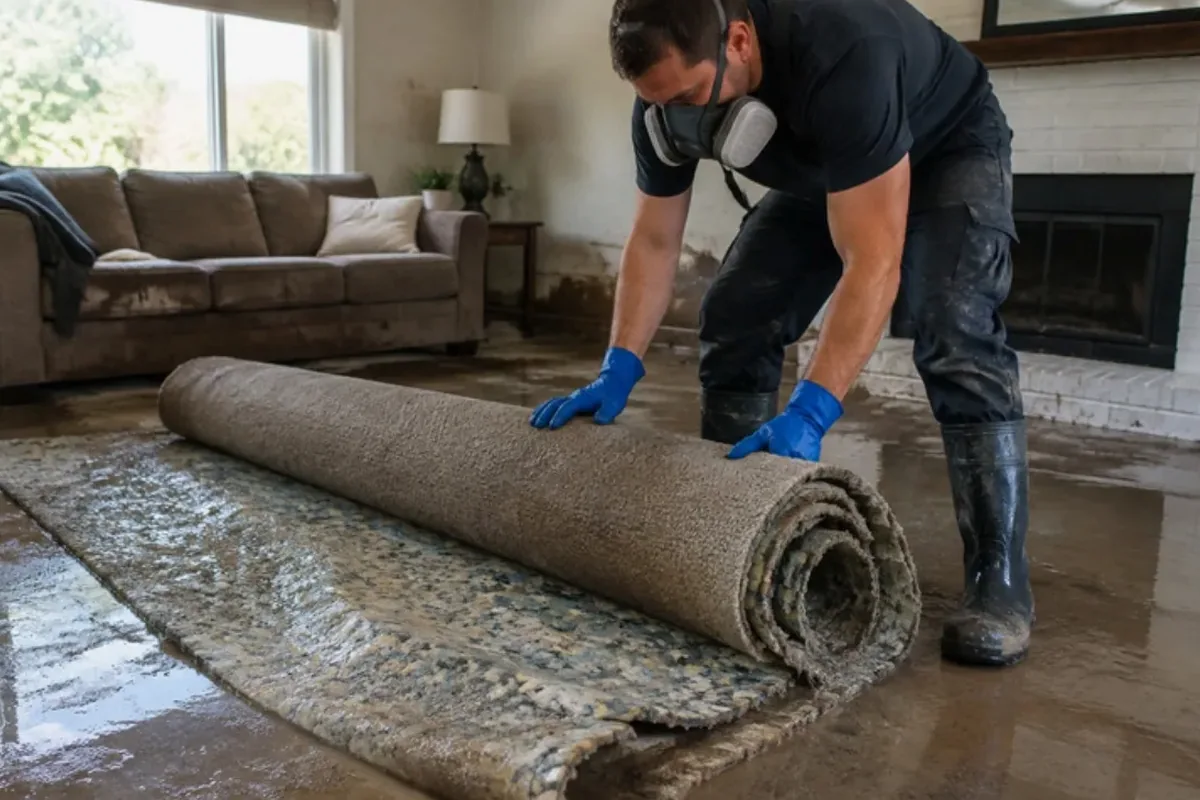
Smell it, then trace it
After a storm, a stale basement-like smell in a house that never had one is a flag. Check under sinks, inside closets on outside walls, and along the base of cabinets, where rainwater and groundwater creep in and stay. Closets on outside walls are a common culprit.
Rural and farm properties
Farm houses, barns and outbuildings in Franklin, Nash, Granville and Johnston counties often sit near drainage ditches and fields that flood. Older foundations with dirt floors and wells in low spots add to the moisture load after storms. Gravel drives funnel runoff toward the house.
Homes near a river, creek or lake can see water rise on the lot even when the rain has stopped, and floodwater from them tends to carry silt and debris into crawl spaces and lower rooms.
Getting comparable bids
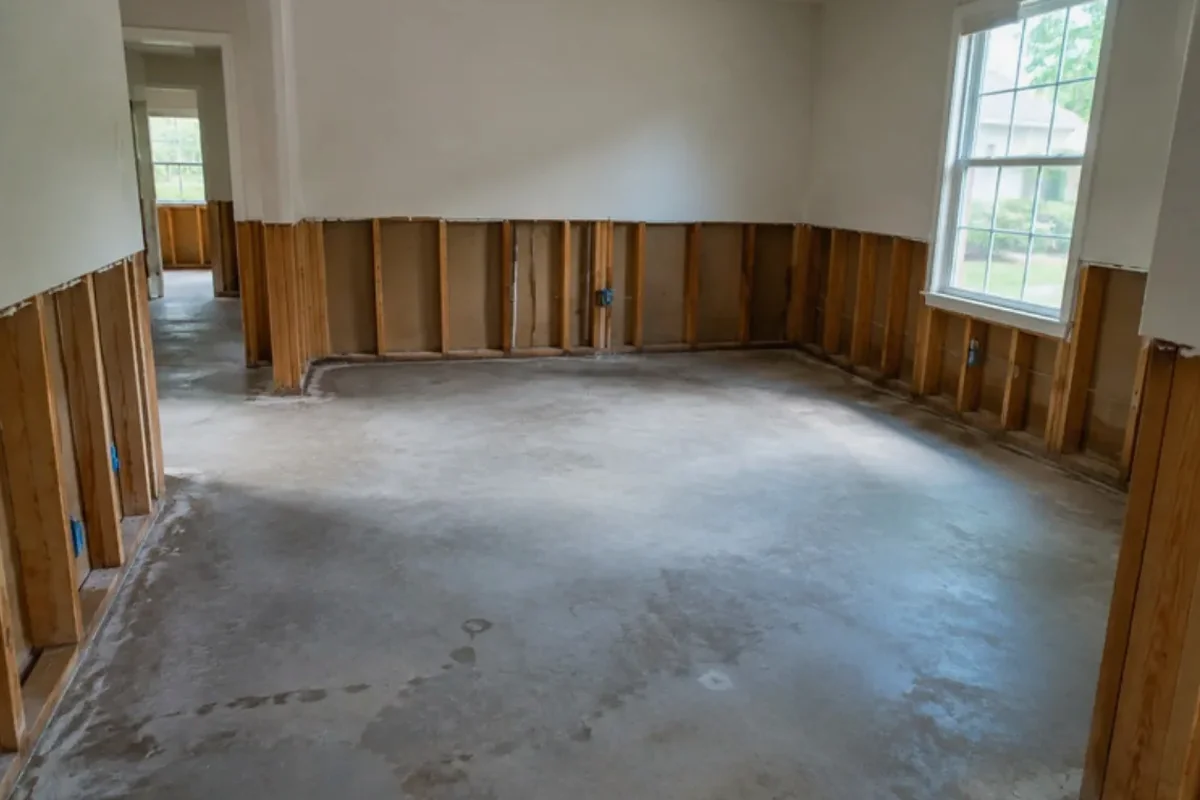
Request written scopes naming each room, the drying plan, the removal list and what is excluded. A lump sum with no detail makes comparison impossible and leaves you exposed if the work grows. Use the same list for each bidder in Johnston County. Detail protects you if the job grows beyond the first estimate.
Before you hire in Smithfield
Home repair complaints in North Carolina can go to the Department of Justice consumer protection line, 1-877-5-NO-SCAM. Settle the scope in writing first so there is something to point to.
Renting? N.C.G.S. 42-42 requires landlords to keep a home fit and habitable and to repair supplied plumbing and heating; outside an emergency, send the repair request in writing.
Under G.S. 160D-1110, many repairs of $40,000 or less in a house need no permit, but structural, plumbing, electrical and HVAC changes do. Check with Johnston County Building Inspections.
After heavy Piedmont rain, the NC Flood Risk Information System is the place to check a property's flood zone before talking to the insurance company.
Callers here are often matched with companies that work in Selma, Four Oaks and Clayton as well.
What the first walk-through involves
A company will ask when the water came in, how high it rose and where it came from. It then reads moisture in floors, walls and the crawl space, notes what has already been removed and proposes a drying and removal plan in writing. Early water removal helps.
If you rent
Tenants who see storm damage should give the landlord written notice quickly. North Carolina G.S. 42-42 expects landlords to keep a rental fit and habitable. Photos of wet floors and walls support your request while repairs are arranged. Keep every photo, invoice and report in a single folder.
Storm & Flood Mold Removal questions in Smithfield
Is floodwater treated differently from a pipe leak?
Does a heavy tropical rain count as a flood?
How long does drying take?
Who handles permits for flood repairs?
More mold services in Smithfield
Storm & Flood Mold Removal nearby
Helpful guides
Sources
- Johnston County Building Inspections Department
- Johnston County Building Inspections Department: flood information
- N.C. General Statutes 87-1: general contractor license
- NC Licensing Board for General Contractors: consumer FAQ
- NC Division of Public Health: choosing a mold consultant
- N.C. General Statutes 42-42: landlord to provide fit premises
- NC Flood Risk Information System
Last updated: