Clay soil in this part of the Piedmont drains slowly, so water around a foundation lingers well after the rain stops. That lingering moisture can keep a crawl space or lower floor damp. Call the number on this page to be connected with a local mold company in Willow Spring.
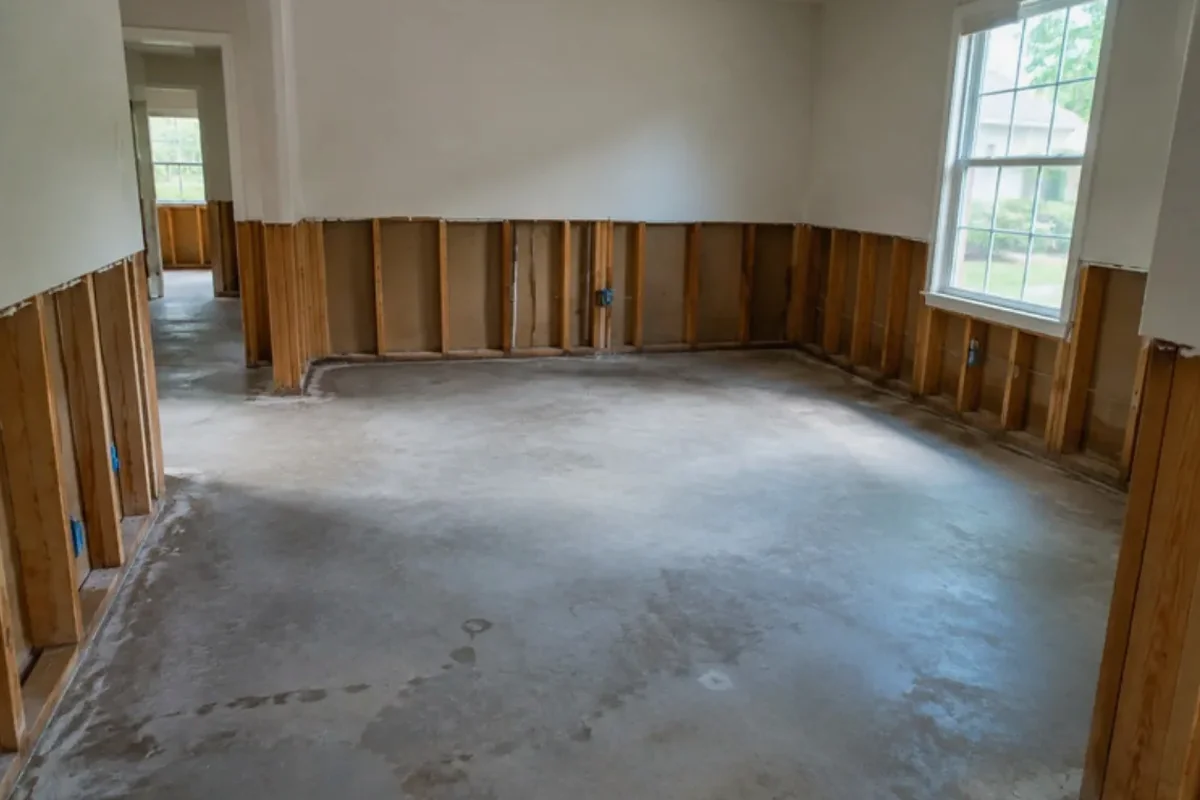
Health and safety first
Floodwater may carry contaminants, so wear gloves and boots and keep children and pets out. If you have health concerns, talk with your doctor. Stay clear of electrical outlets and appliances that sat in water until someone qualified checks them. Keep young children away from any wet area.
Tropical remnants and heavy rain
Storms that weaken as they move inland still dump huge amounts of rain on the Piedmont in a short time. Roofs, window wells, doors and low foundation vents let that water in, and the muggy air afterward keeps everything damp. The wet ground afterward also holds humidity against the house.
On farm and country properties, long dirt driveways and field runoff can send water toward the foundation, and farmhouses with older crawl spaces often stay wet well beyond the storm.
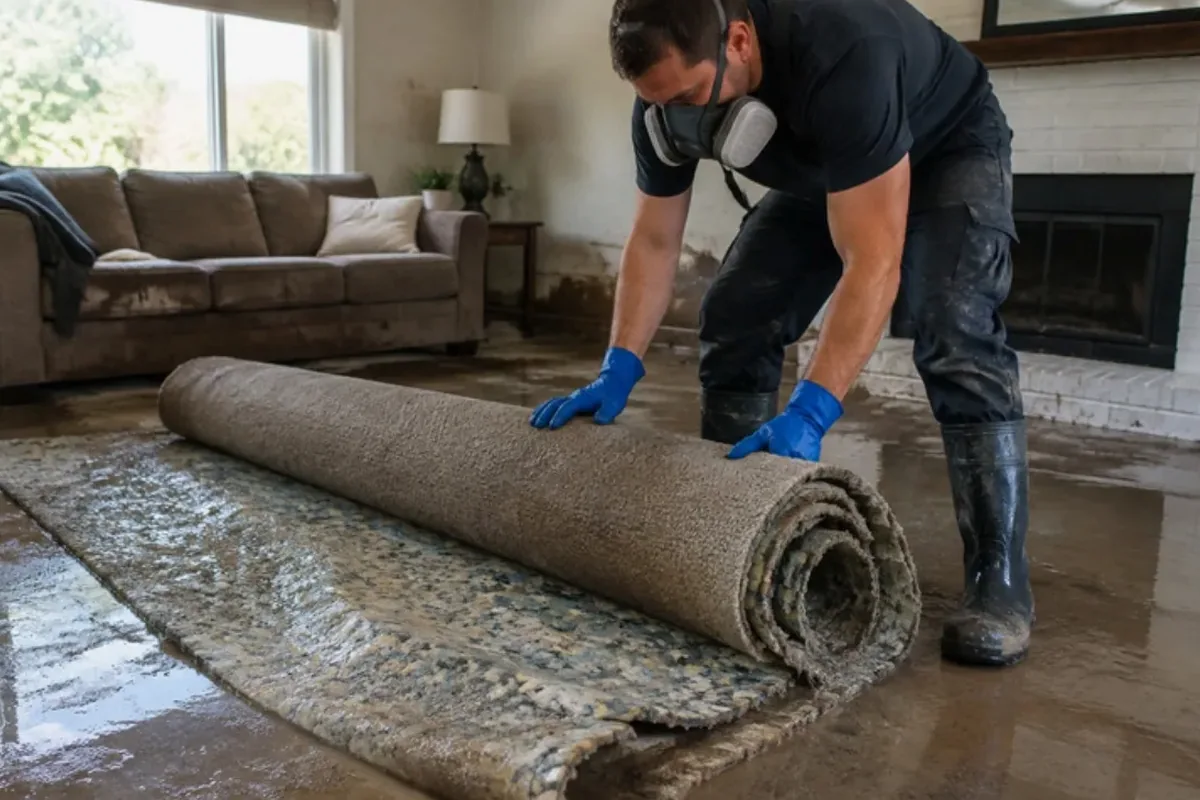
Drying equipment and time
Dehumidifiers, air movers and monitoring add up over several days. Companies usually price drying by the rooms involved and how long equipment runs, so keep a log of readings and ask for them. Faster action tends to shorten that run time. Moisture mapping shows which rooms count.
After the dry-down
Once readings show materials are dry, rebuilding can begin: insulation, drywall, trim and flooring. Some homeowners request independent clearance testing before closing up walls, which is reasonable on a big job and worth discussing with the company. Ask for a drying log showing each day's readings.
Before the next storm
- Clean gutters and extend downspouts
- Check crawl space vents and the vapor barrier
- Know where the power and water shutoffs are
- Move valuables off ground-level floors
A short list like this takes an afternoon and limits the damage. Repeat it each spring and before hurricane season peaks.
Willow Spring permits, rentals and contractor checks
Ask whether the job, including any rebuild, could reach $40,000. At that size state law requires a general contractor license, which you can confirm in the NCLBGC online lookup by name or license number.
Renting? N.C.G.S. 42-42 requires landlords to keep a home fit and habitable and to repair supplied plumbing and heating; outside an emergency, send the repair request in writing.
Under G.S. 160D-1110, many repairs of $40,000 or less in a house need no permit, but structural, plumbing, electrical and HVAC changes do. Check with Wake County Permits and Inspections.
After heavy Piedmont rain, the NC Flood Risk Information System is the place to check a property's flood zone before talking to the insurance company.
Many of the same companies also take calls from Fuquay-Varina, Angier and Coats.
Storm & Flood Mold Removal questions in Willow Spring
How soon does mold grow after a flood?
What should I throw away after flooding?
Can I run fans and a dehumidifier myself?
Does homeowners insurance cover flood mold in Willow Spring?
More mold services in Willow Spring
Storm & Flood Mold Removal nearby
Helpful guides
Sources
- Wake County Permits and Inspections
- Wake County Permits and Inspections: flood information
- N.C. General Statutes 87-1: general contractor license
- NC Licensing Board for General Contractors: consumer FAQ
- NC Division of Public Health: choosing a mold consultant
- N.C. General Statutes 42-42: landlord to provide fit premises
- NC Flood Risk Information System
Last updated: