People order inspections for a musty smell, after a leak, before buying a house or when a tenant and landlord disagree about what is going on. The goal is facts rather than guesses. Call the number on this page to be connected with a local mold company in Willow Spring.
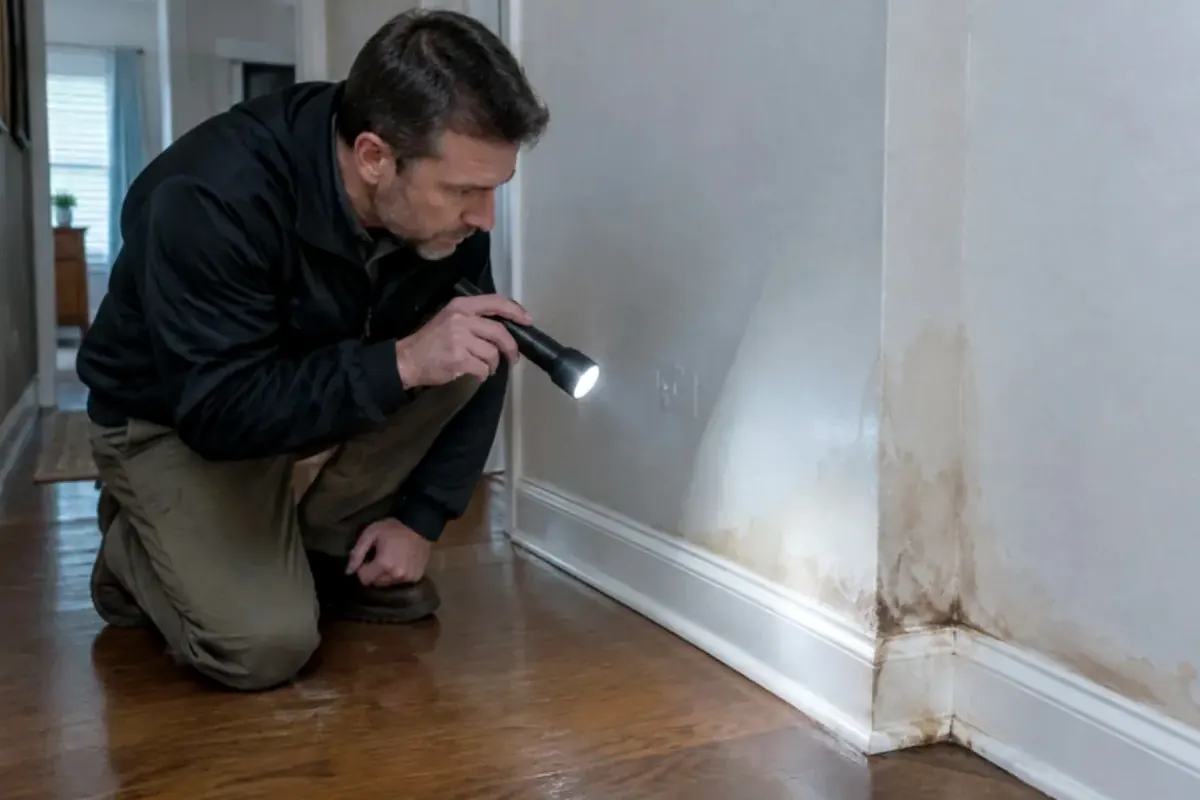
Visible spots versus hidden ones
The patches you see are often the smaller part of a problem. Growth behind cabinets, above ceiling tiles or on the underside of the subfloor stays out of view for years, which is why a trained eye matters when the signs are subtle.
Tell the inspector about anything odd.
The role of humid summers
Long stretches of warm, wet air push humidity into houses, and ducts and cold surfaces collect condensation. Inspectors note where air conditioning runs hard, where vents sweat and where the house never quite dries out between storms.
That context helps explain why a problem keeps coming back after cleaning.
Homes in the country often have older plumbing, well equipment and long runoff paths. Inspectors will check those along with the house, so mention any outbuildings when you book.
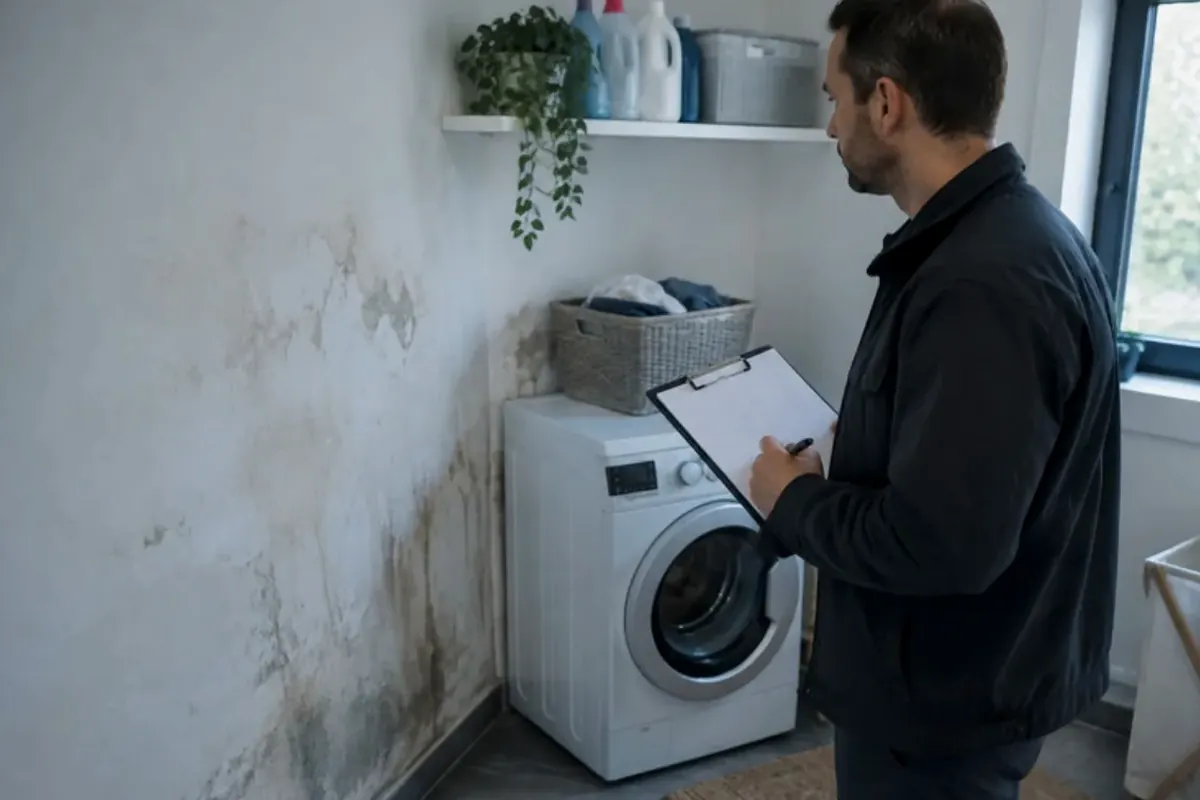
Inspection and cleanup are separate bills
An inspection fee covers looking and reporting, not removal. If the findings call for a cleanup, that is a different quote, ideally from a different company. Keeping the two apart reduces any incentive to find more work than exists.
Two quotes are better than one.
Questions to ask the inspector
How will you check hidden areas? Do you take samples, and when? Will I get photos? Who writes the cleanup scope? What happens if you find a plumbing problem? Clear answers early save time later and make the report far more useful.
Write the answers down.
Handling small areas yourself
EPA says a homeowner can usually clean an area under about 10 square feet. If the inspection finds only a small patch on a hard surface and the cause is fixed, detergent and water may be enough without calling a crew.
A short, careful repair beats a long redo.
Local facts for a Willow Spring mold job
State public health staff advise asking questions before you pay, checking whether a company belongs to trade groups and follows industry guidelines, and keeping the assessment separate from the cleanup.
Tenants should put leak and mold complaints in writing. North Carolina's landlord statute, G.S. 42-42, covers repairs needed to keep a rental fit to live in.
Once the moldy material is gone, the rebuild is its own step, and some of it, like new ductwork or structural framing, may need sign-off from Wake County Permits and Inspections.
After heavy Piedmont rain, the NC Flood Risk Information System is the place to check a property's flood zone before talking to the insurance company.
Help is also available nearby in Fuquay-Varina, Angier and Coats.
Mold Inspection questions in Willow Spring
Should the inspector also do the cleanup?
Do I need an inspection if I can see the mold?
What if the inspector finds nothing?
Who pays for the inspection in a rental?
More mold services in Willow Spring
Mold Inspection nearby
Helpful guides
Sources
- Wake County Permits and Inspections
- Wake County Permits and Inspections: flood information
- N.C. General Statutes 87-1: general contractor license
- NC Licensing Board for General Contractors: consumer FAQ
- NC Division of Public Health: choosing a mold consultant
- N.C. General Statutes 42-42: landlord to provide fit premises
- NC Flood Risk Information System
Last updated: