Take photos, shut off power to wet areas if it is safe to do so, and start drying as quickly as you can. Then bring in help for anything soaked or musty. Call the number on this page to be connected with a local mold company in Four Oaks.
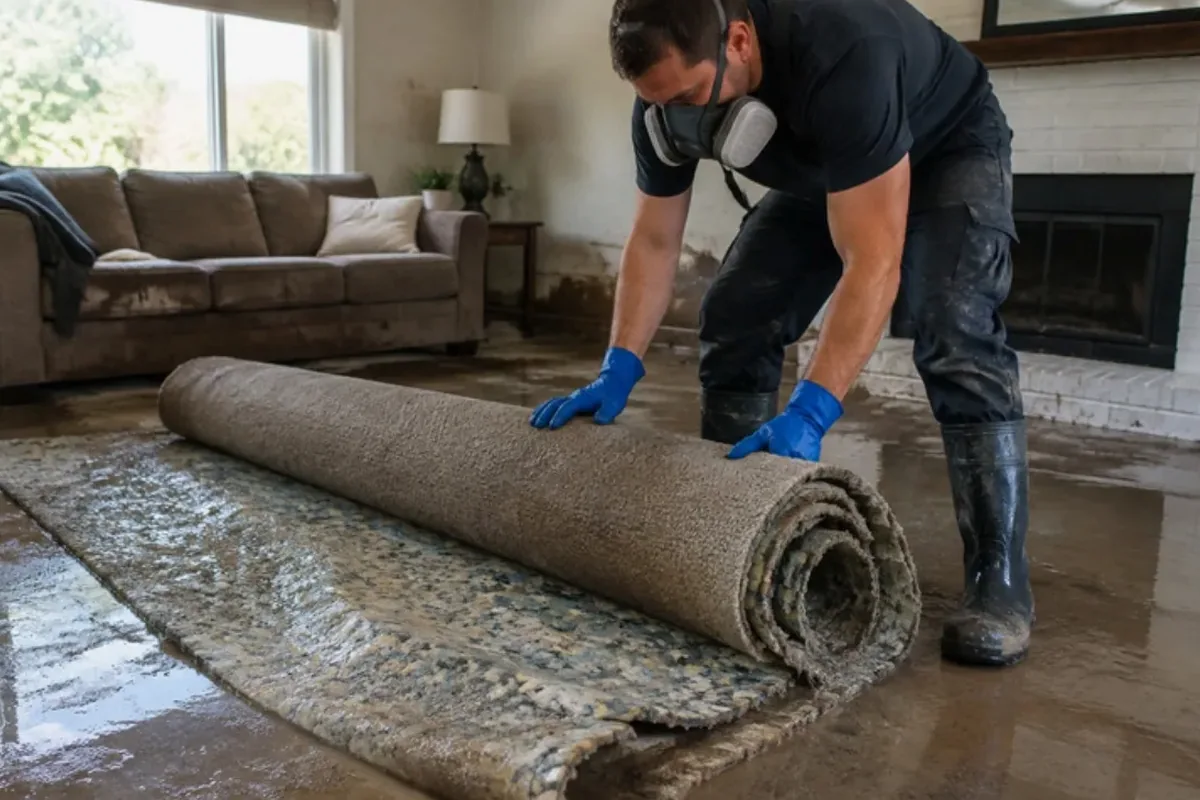
Rooms that stay wet longest
- Closets against outside walls
- Rooms over a flooded crawl space
- Garage-adjacent utility rooms
- Any space with wall-to-wall carpet
These hold moisture after the visible water has gone, so they deserve the first check. Check them early, since each can hide damp insulation, swollen trim or a sour smell for days.
Creek and river flooding
Creeks that run through neighborhoods and rivers like the Neuse and Haw can rise quickly after sustained rain. Homes near them, or on low ground in Johnston County, may see water in yards, garages and lower floors within hours. Homes along creek corridors see it often.
On farm and country properties, long dirt driveways and field runoff can send water toward the foundation, and farmhouses with older crawl spaces often stay wet well beyond the storm.
Rules and offices for Four Oaks mold jobs
Home repair complaints in North Carolina can go to the Department of Justice consumer protection line, 1-877-5-NO-SCAM. Settle the scope in writing first so there is something to point to.
In a rental, written notice to the landlord starts the clock under state law, which requires repairs that keep the unit in a fit and habitable condition.
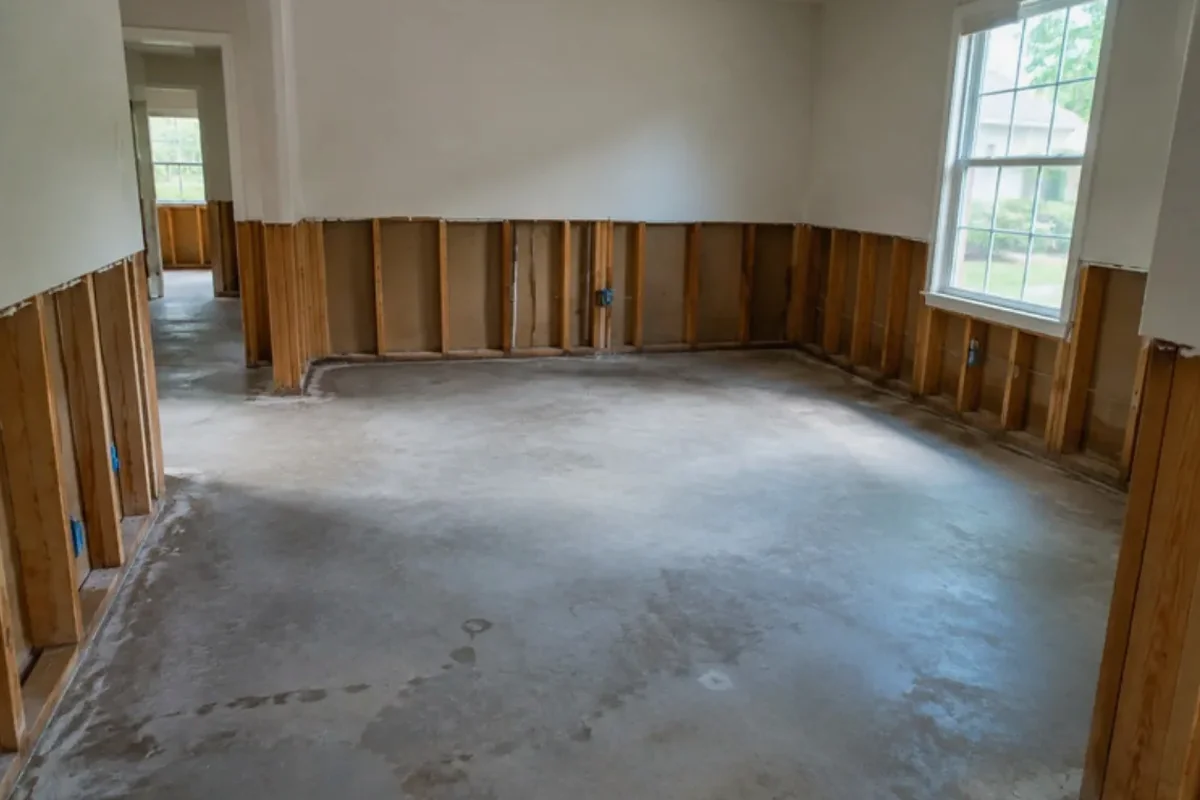
Once the moldy material is gone, the rebuild is its own step, and some of it, like new ductwork or structural framing, may need sign-off from the local building department.
If creek or river water came inside, look the address up in North Carolina's Flood Risk Information System and call your insurer before cleanup begins.
Help is also available nearby in Smithfield, Selma and Clayton.
What comes out and what stays
- Carpet, pad and wet insulation usually go
- Drywall wicked high often goes
- Solid framing can be cleaned and dried
- Hard surfaces can often be saved
The more that must be removed, the more rebuild work follows. Early action keeps more on the saved list.
Sampling is rarely the first step
When growth is visible, EPA says sampling usually is not needed. North Carolina public health guidance also advises caution about air sampling first and about hiring a consultant who also does the cleanup. Drying and removal come before measuring. Photos protect you if questions come up later.
Keep humidity in range
EPA suggests indoor humidity below about 60 percent, ideally 30 to 50. After a flood, running dehumidifiers for several days and checking readings helps the house finish drying, which matters when summer air outside is already muggy. Do not skip the rebuild questions, since that trade is often separate.
Storm & Flood Mold Removal questions in Four Oaks
My crawl space flooded but the house looks fine. Do I need to call?
Should I test the air after a flood?
Can a landlord ignore storm damage?
What about a flooded detached garage or shed?
More mold services in Four Oaks
Storm & Flood Mold Removal nearby
Helpful guides
Sources
- Johnston County Building Inspections Department: flood information
- N.C. General Statutes 87-1: general contractor license
- NC Licensing Board for General Contractors: consumer FAQ
- NC Division of Public Health: choosing a mold consultant
- N.C. General Statutes 42-42: landlord to provide fit premises
- NC Flood Risk Information System
- EPA: A Brief Guide to Mold, Moisture and Your Home
Last updated: