Take photos, shut off power to wet areas if it is safe to do so, and start drying as quickly as you can. Then bring in help for anything soaked or musty. Call the number on this page to be connected with a local mold company in Knightdale.
Health and safety first
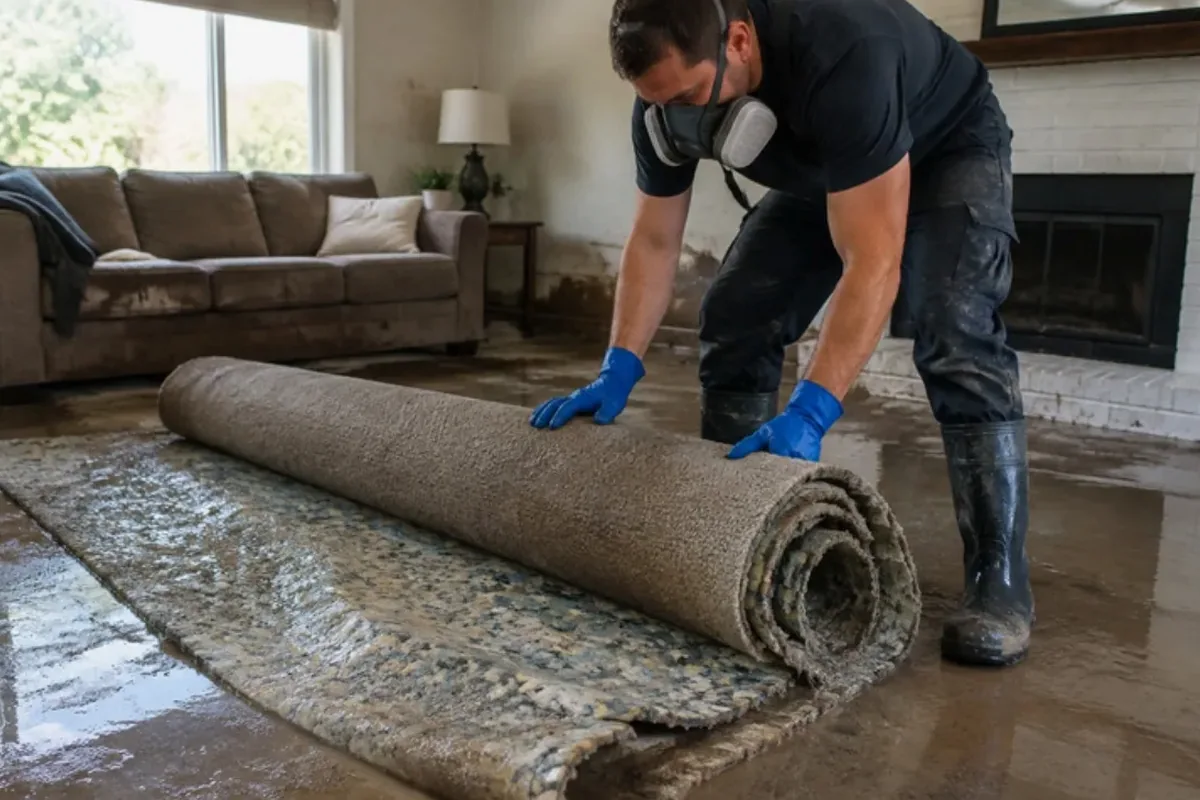
Floodwater may carry contaminants, so wear gloves and boots and keep children and pets out. If you have health concerns, talk with your doctor. Stay clear of electrical outlets and appliances that sat in water until someone qualified checks them. Keep young children away from any wet area.
Rural and farm properties
Farm houses, barns and outbuildings in Franklin, Nash, Granville and Johnston counties often sit near drainage ditches and fields that flood. Older foundations with dirt floors and wells in low spots add to the moisture load after storms. Gravel drives funnel runoff toward the house.
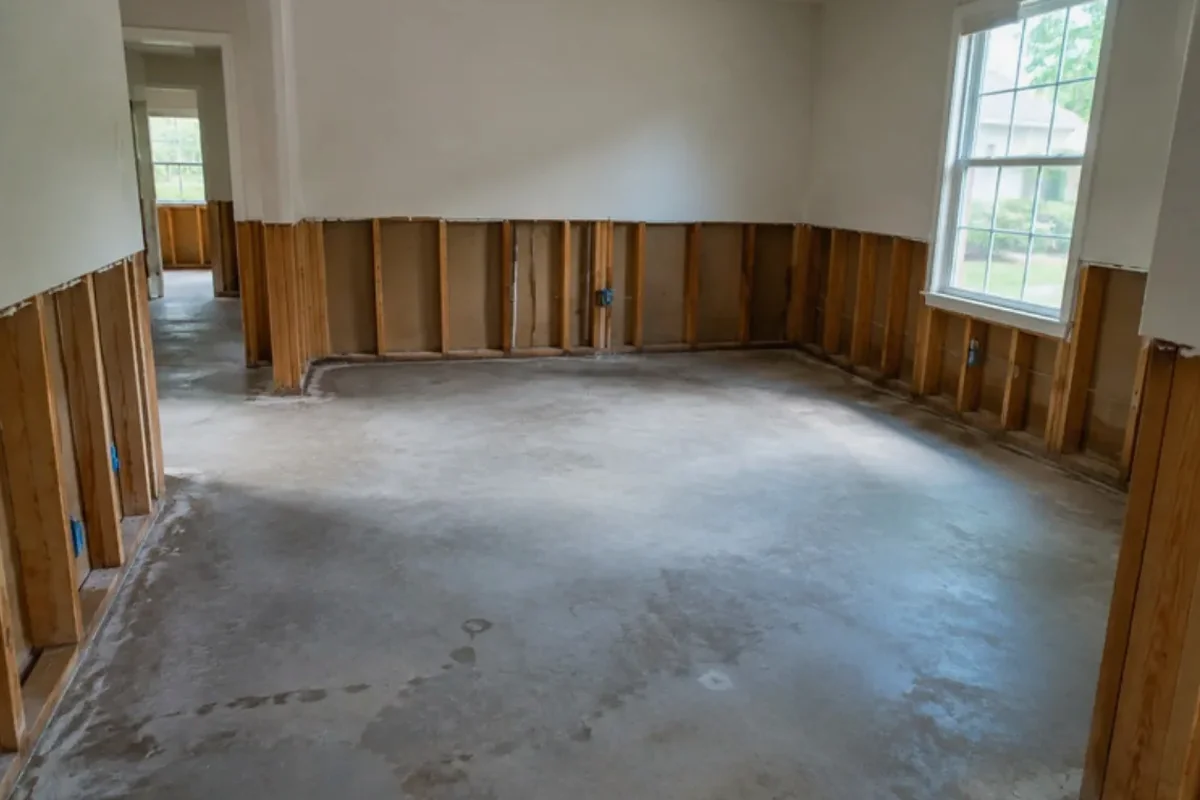
A lot of Knightdale's homes went up in the 2000s, with tighter envelopes and slab foundations, so floodwater that gets in tends to stay trapped behind drywall and flooring.
Insurance and flood coverage
Standard homeowner policies generally treat rising water differently from wind-driven rain, and flood coverage is usually separate. Check your policy, document everything, and ask your carrier what applies before discarding materials. A company can record what it finds, but coverage decisions are the insurer's. Policy limits and deductibles vary.
What you decide on the day
You will likely be asked to approve the scope, say what belongings can be moved and confirm access to the crawl space and electrical panel. Keep photographs and receipts, since adjusters often ask for the details of what was discarded. Proof of dryness matters before anyone closes walls.
Before you hire in Knightdale
Home repair complaints in North Carolina can go to the Department of Justice consumer protection line, 1-877-5-NO-SCAM. Settle the scope in writing first so there is something to point to.
Renting? N.C.G.S. 42-42 requires landlords to keep a home fit and habitable and to repair supplied plumbing and heating; outside an emergency, send the repair request in writing.
Under G.S. 160D-1110, many repairs of $40,000 or less in a house need no permit, but structural, plumbing, electrical and HVAC changes do. Check with Wake County Permits and Inspections.
After heavy Piedmont rain, the NC Flood Risk Information System is the place to check a property's flood zone before talking to the insurance company.
Callers here are often matched with companies that work in Wendell, Rolesville and Zebulon as well.
Grade and drainage matter
Soil that slopes toward the foundation guides rain into the crawl space. Regrading, a French drain or a sump pit can send water elsewhere. Even moving a downspout a few feet can change how long the ground stays soggy near the house. Many homeowners also add a dehumidifier.
Storm & Flood Mold Removal questions in Knightdale
Can I run fans and a dehumidifier myself?
How long does drying take?
Where do I find out if my house is in a flood zone?
What about a flooded detached garage or shed?
More mold services in Knightdale
Storm & Flood Mold Removal nearby
Helpful guides
Sources
- Wake County Permits and Inspections
- Wake County Permits and Inspections: flood information
- N.C. General Statutes 87-1: general contractor license
- NC Licensing Board for General Contractors: consumer FAQ
- NC Division of Public Health: choosing a mold consultant
- N.C. General Statutes 42-42: landlord to provide fit premises
- NC Flood Risk Information System
Last updated: