After a flood, mold can start growing on wet materials within a day or two. EPA advises drying everything within 24 to 48 hours, and porous items that stay soaked, like carpet, pad and insulation, usually have to be discarded. Call the number on this page to be connected with a local mold company in Rolesville.
The first 48 hours after water gets in
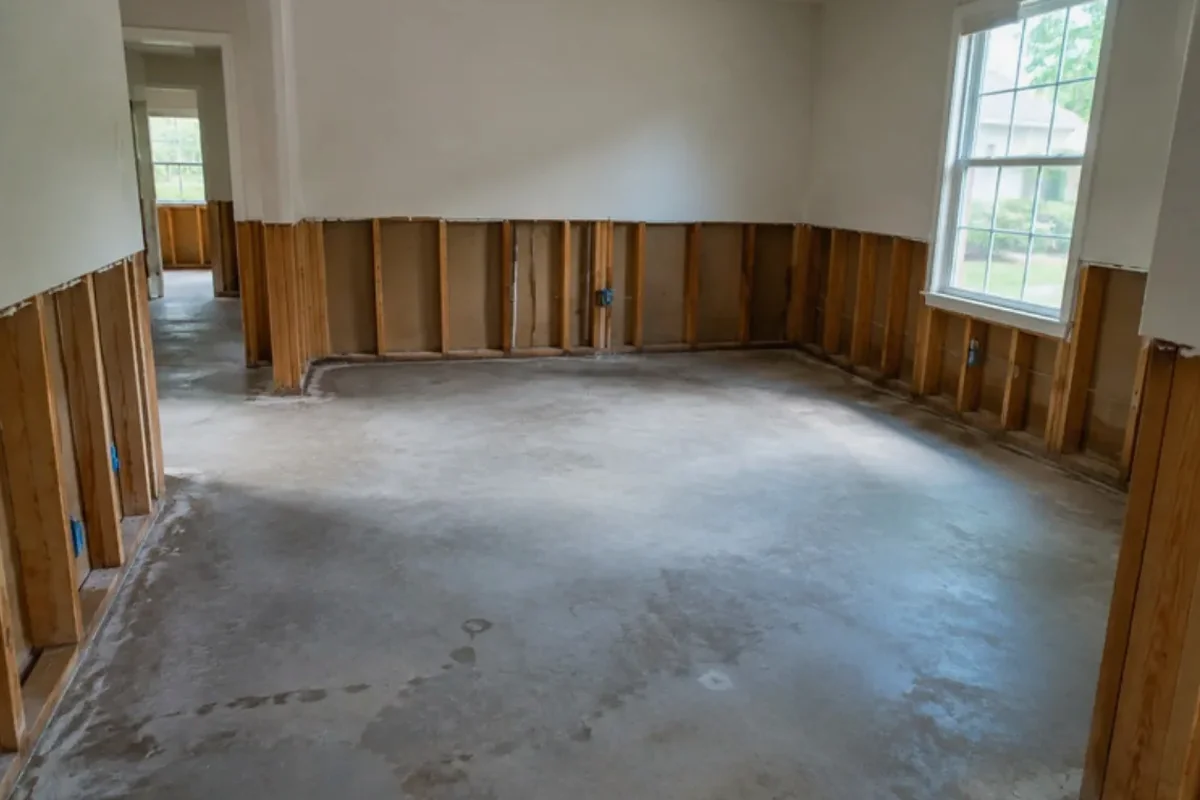
EPA advises drying wet materials within 24 to 48 hours. That window is short after a flood, because carpet, pad, insulation and drywall soak up water fast. Pumping out, opening windows when the air is dry and running dehumidifiers all help. Act while it is fresh.
Red clay holds on to water
Piedmont clay drains slowly, so water pools against foundations after a storm and stays there. Poor grading and downspouts that empty near the house send even more toward the crawl space, extending the time wood framing stays wet. Fixing grade often helps, since the water has to go somewhere.
What shapes flood cleanup cost
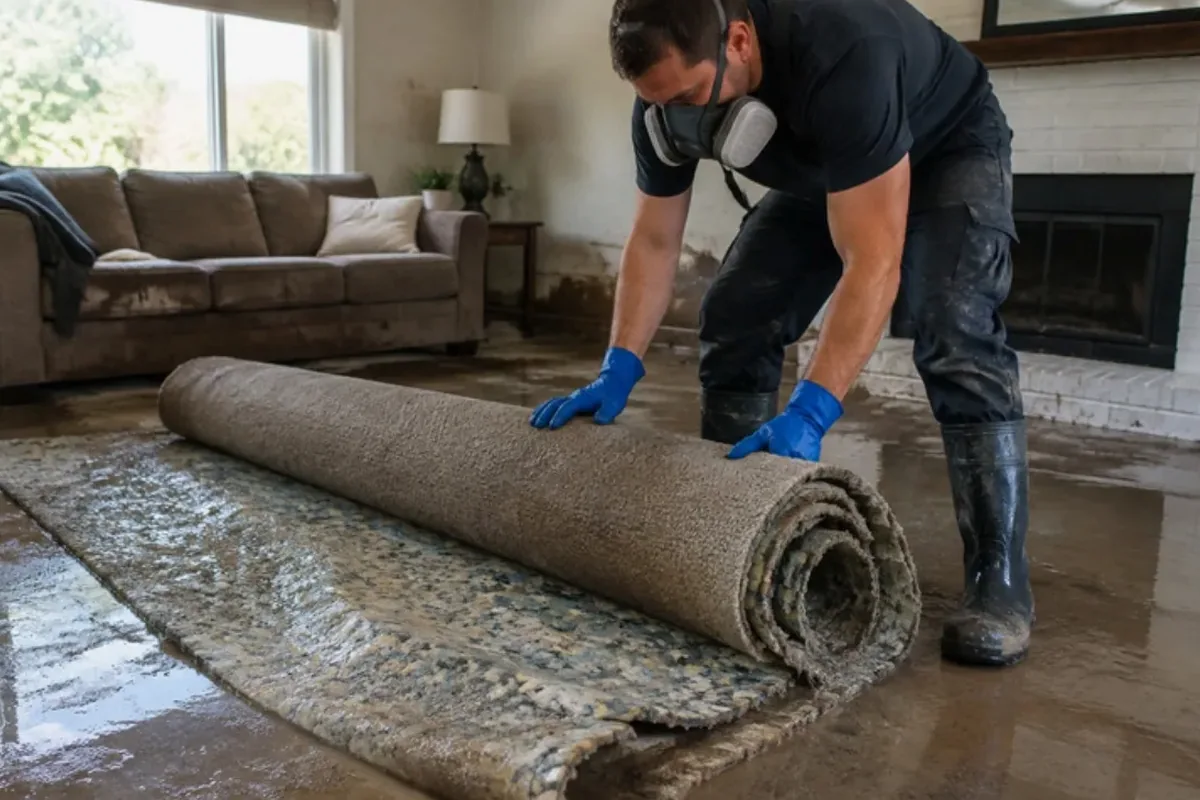
The main drivers are how deep and how long the water stood, how many rooms it reached and what materials it soaked. A flooded crawl space is a different scope from a whole ground floor, and a moisture survey sets the real number. Ask what falls under each.
Typical order of work
- Remove standing water and debris.
- Pull soaked carpet, pad and insulation.
- Cut out wall sections that wicked water.
- Clean surfaces and dry the structure.
- Verify moisture levels before rebuilding.
Each step should be documented with readings and photos so the scope can be checked later.
Closed crawl spaces and dehumidifiers
Some Triangle homes have sealed crawl spaces with a dehumidifier. These help control humidity but not rising water, so a sump pump or drainage plan is still wise where creeks or low ground are nearby. Ask a local company what fits your house. Ask before work begins.
Before you hire in Rolesville
There are no federal rules for indoor air quality consultants, so references, written scopes and a separate assessor matter. Contractor license rules start at $40,000 in North Carolina.
Renting? N.C.G.S. 42-42 requires landlords to keep a home fit and habitable and to repair supplied plumbing and heating; outside an emergency, send the repair request in writing.
Cleanup on its own rarely needs a permit. Replacing framing, wiring, ductwork or plumbing afterward can, and Wake County Permits and Inspections can tell you what applies.
After heavy Piedmont rain, the NC Flood Risk Information System is the place to check a property's flood zone before talking to the insurance company.
Help is also available nearby in Wake Forest, Youngsville and Knightdale.
Storm & Flood Mold Removal questions in Rolesville
Is floodwater treated differently from a pipe leak?
Is it safe to stay in the house?
Can a landlord ignore storm damage?
What about a flooded detached garage or shed?
More mold services in Rolesville
Storm & Flood Mold Removal nearby
Helpful guides
Sources
- Wake County Permits and Inspections
- Wake County Permits and Inspections: flood information
- N.C. General Statutes 87-1: general contractor license
- NC Licensing Board for General Contractors: consumer FAQ
- NC Division of Public Health: choosing a mold consultant
- N.C. General Statutes 42-42: landlord to provide fit premises
- NC Flood Risk Information System
Last updated: