Black mold is a popular nickname for any dark growth, and the color alone cannot tell you the type. Treat a spreading dark patch as a moisture problem that needs fixing first and removal second. Call the number on this page to be connected with a local mold company in Clayton.
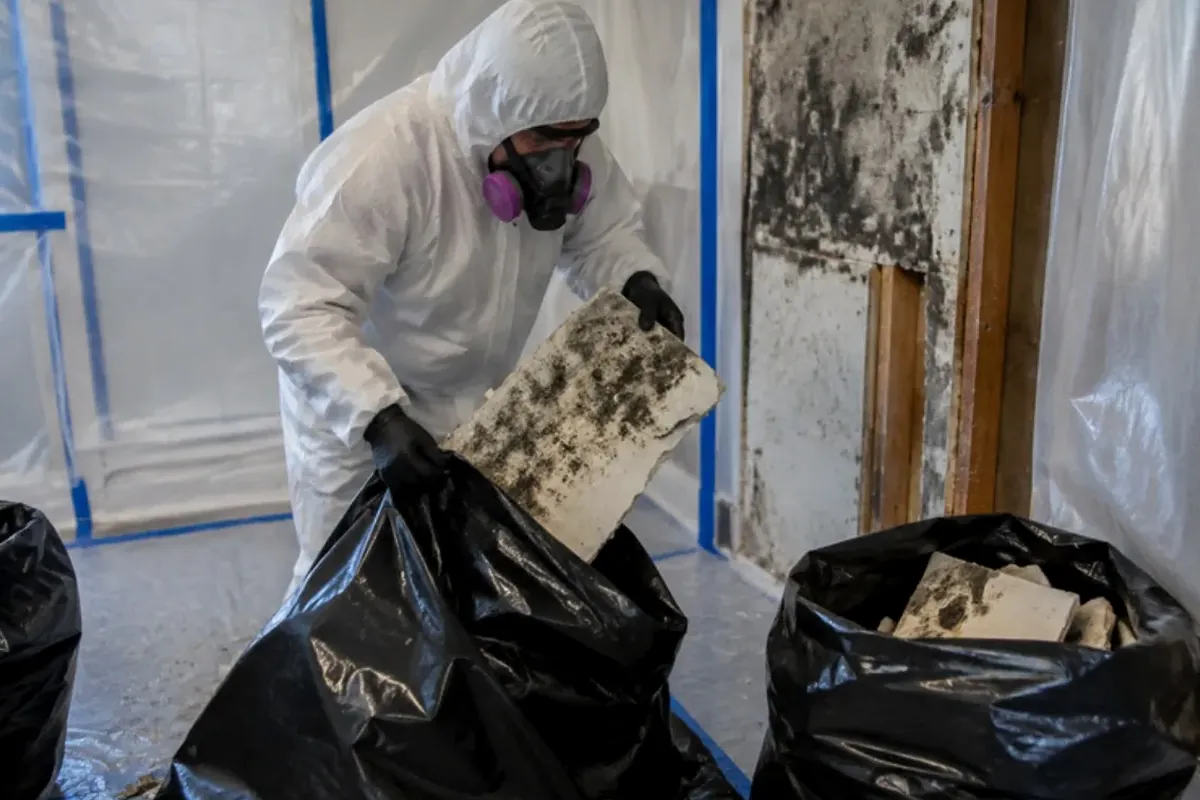
Signs that call for a pro
Think about a mold company when the growth covers a wide area, came back after cleaning, sits on drywall or insulation, or follows the ductwork. Also call if a leak ran for a long time or you cannot find where the water is coming from.
Heavy rain and rising creeks
Tropical remnants and summer storms can dump a lot of water quickly. Moisture that enters a garage, crawl space or ground-floor room soaks porous materials fast. EPA advises drying within 24 to 48 hours, since after that dark growth can start on wet drywall and wood.
Newer builds from the 2000s, like many in Clayton, rely on mechanical ventilation. A weak bath fan or a drain line that was never sloped right can leave a dark patch within a few seasons.
Properties close to the water see more fog, more groundwater and more flooding after heavy rain. Dark patches on baseboards, garage walls and lower framing are a common sign that water has been getting in.
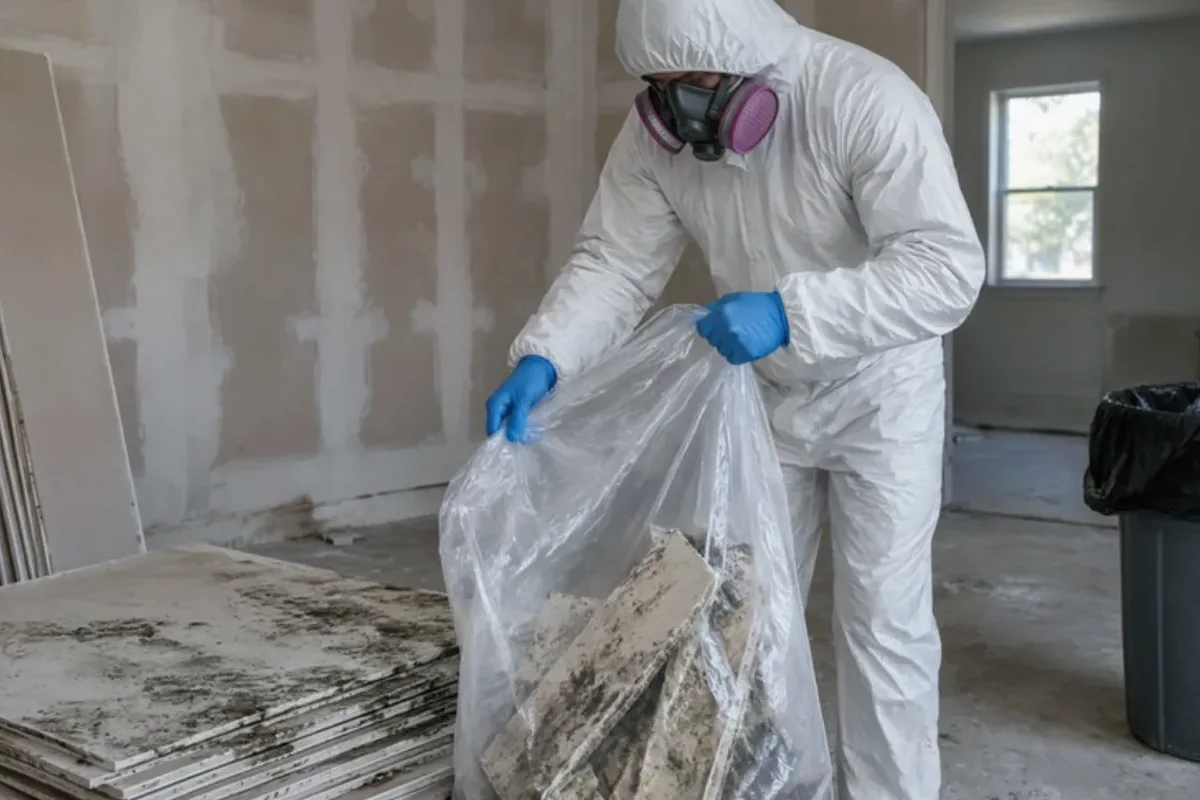
Factors a company weighs
- Square footage of visible and hidden growth.
- Drywall, insulation or flooring that must come out.
- Height and access, such as attics and tight crawl spaces.
- Whether the water source is already repaired.
Who to check with in Clayton
For a big tear-out and rebuild, look the company up on the NC Licensing Board for General Contractors site; its search works by name, number or county, and a license is required at $40,000 and up.
Tenants should put leak and mold complaints in writing. North Carolina's landlord statute, G.S. 42-42, covers repairs needed to keep a rental fit to live in.
Under G.S. 160D-1110, many repairs of $40,000 or less in a house need no permit, but structural, plumbing, electrical and HVAC changes do. Check with the Town of Clayton Development Services office.
Flood water and a burst pipe are usually treated differently by insurers; the state's FRIS flood maps show whether a lot sits in a mapped flood zone.
Help is also available nearby in Smithfield, Wendell and Selma.
The removal steps
- Seal and filter the work area.
- Bag and remove porous material that stayed moldy.
- HEPA vacuum and damp-wipe what can be saved.
- Dry the space and confirm moisture readings.
The order matters because it keeps debris from settling back.
Small spots you can handle
For a hard surface under about 10 square feet and with the moisture source fixed, EPA says many homeowners can clean it. Wear an N95 mask, gloves and eye protection, use detergent and water, and dry the surface well. Throw away any porous item that stays stained.
Getting to know Clayton
Calls come in from across Clayton, including US 70, Clayton River Walk on the Neuse, The Clayton Center.
Clayton is in the Neuse River watershed and its town limits extend northeast to the river.
Black Mold Removal questions in Clayton
How do I know if it is mold or just dirt?
Will removal mean tearing out drywall?
Why does black mold keep coming back?
Should I leave the house during removal?
More mold services in Clayton
Black Mold Removal nearby
Helpful guides
Sources
- Town of Clayton Development Services / Inspections
- Johnston County Building Inspections Department: flood information
- N.C. General Statutes 87-1: general contractor license
- NC Licensing Board for General Contractors: consumer FAQ
- NC Division of Public Health: choosing a mold consultant
- N.C. General Statutes 42-42: landlord to provide fit premises
- NC Flood Risk Information System
Last updated: