Heavy rain from a passing tropical system can soak a house even without a river overflowing, through leaks at the roof, window wells and foundation. Damp rooms afterward deserve a closer look. Call the number on this page to be connected with a local mold company in Bahama.
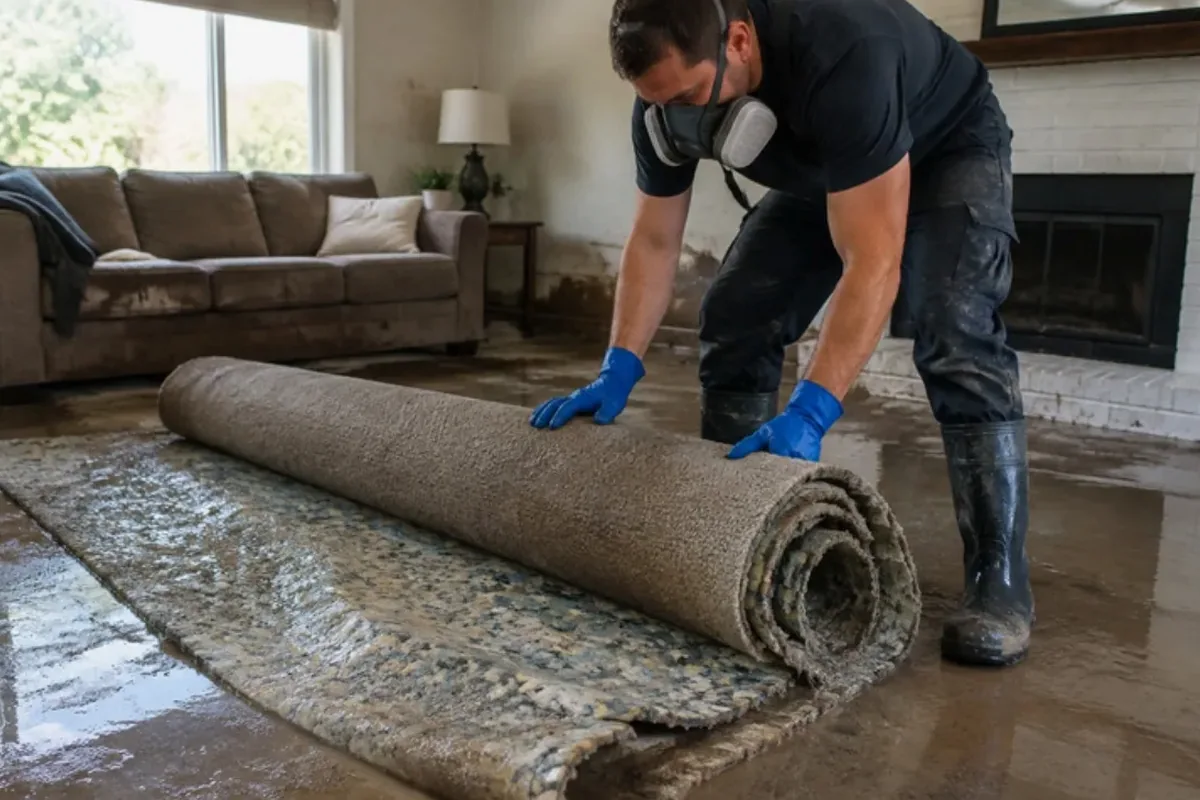
The first 48 hours after water gets in
EPA advises drying wet materials within 24 to 48 hours. That window is short after a flood, because carpet, pad, insulation and drywall soak up water fast. Pumping out, opening windows when the air is dry and running dehumidifiers all help. Act while it is fresh.
Rural and farm properties
Farm houses, barns and outbuildings in Franklin, Nash, Granville and Johnston counties often sit near drainage ditches and fields that flood. Older foundations with dirt floors and wells in low spots add to the moisture load after storms. Gravel drives funnel runoff toward the house.
Homes near a river, creek or lake can see water rise on the lot even when the rain has stopped, and floodwater from them tends to carry silt and debris into crawl spaces and lower rooms.
Rural properties with large lots, drainage ditches and older outbuildings often take on storm water in more than one structure, so check the house, the well house and any barn or shop.
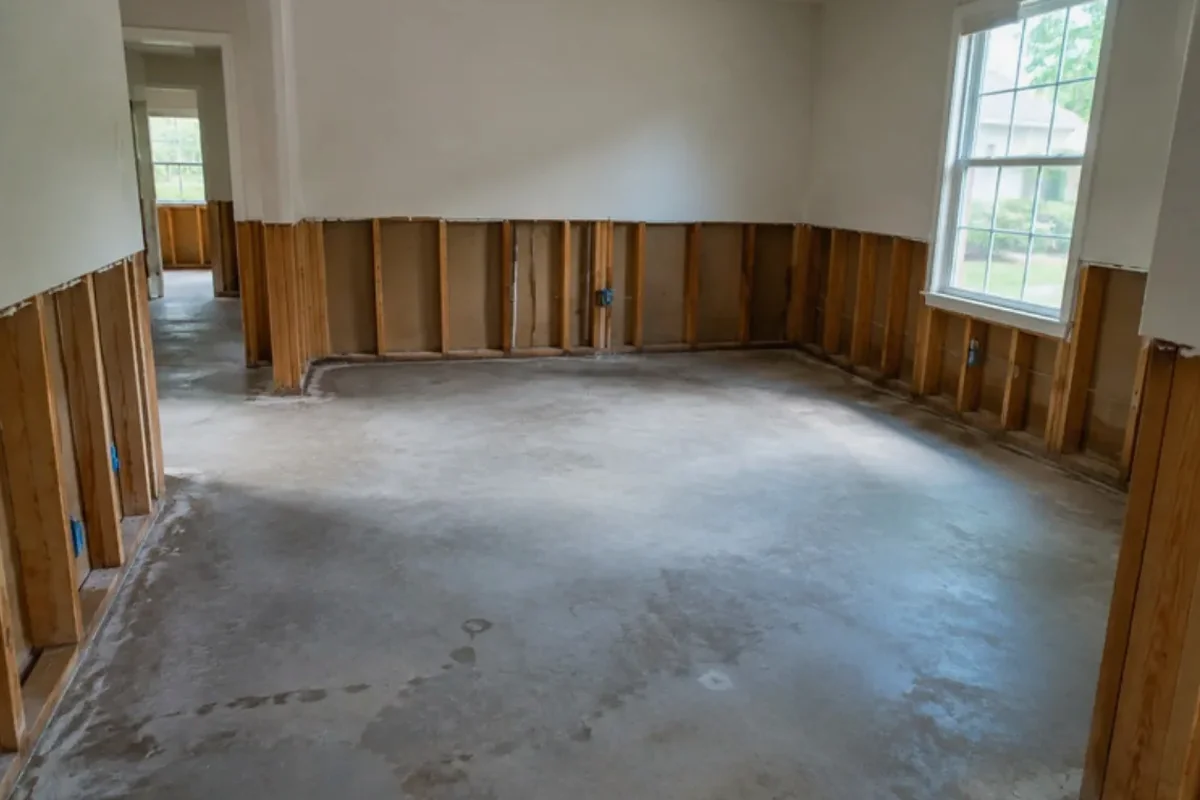
Getting comparable bids
Request written scopes naming each room, the drying plan, the removal list and what is excluded. A lump sum with no detail makes comparison impossible and leaves you exposed if the work grows. Use the same list for each bidder in Durham County. Detail protects you if the job grows beyond the first estimate.
Questions to ask before work starts
Ask how readings will be documented, which materials will be removed, how long equipment will run, whether contaminated water was involved and who handles the rebuild. Clear, written answers matter more than a quick promise on the phone. Ask for written scopes and room-by-room plans.
Rules and offices for Bahama mold jobs
There are no federal rules for indoor air quality consultants, so references, written scopes and a separate assessor matter. Contractor license rules start at $40,000 in North Carolina.
Renting? N.C.G.S. 42-42 requires landlords to keep a home fit and habitable and to repair supplied plumbing and heating; outside an emergency, send the repair request in writing.
Permits for Bahama addresses are handled by the Durham City-County Inspections Department; ask there before load-bearing framing or duct runs are replaced.
If creek or river water came inside, look the address up in North Carolina's Flood Risk Information System and call your insurer before cleanup begins.
Many of the same companies also take calls from Durham, Butner and Stem.
Why waiting hurts
Every day wet materials stay wet raises the chance that mold takes hold, and the material that could have been dried becomes material that must be removed. Quick action after a flood is the most effective protection you have. Clear scopes avoid arguments once the walls are open.
Storm & Flood Mold Removal questions in Bahama
Can I run fans and a dehumidifier myself?
Is it safe to stay in the house?
Can a landlord ignore storm damage?
Who handles permits for flood repairs?
More mold services in Bahama
Storm & Flood Mold Removal nearby
Helpful guides
Sources
- Durham City-County Inspections Department
- N.C. General Statutes 87-1: general contractor license
- NC Licensing Board for General Contractors: consumer FAQ
- NC Division of Public Health: choosing a mold consultant
- N.C. General Statutes 42-42: landlord to provide fit premises
- NC Flood Risk Information System
- EPA: A Brief Guide to Mold, Moisture and Your Home
Last updated: