A passing result means the area met the goals of the written cleanup plan on the day it was checked. It does not promise the water problem will never return. Call the number on this page to be connected with a local mold company in Bahama.
Why a separate assessor matters
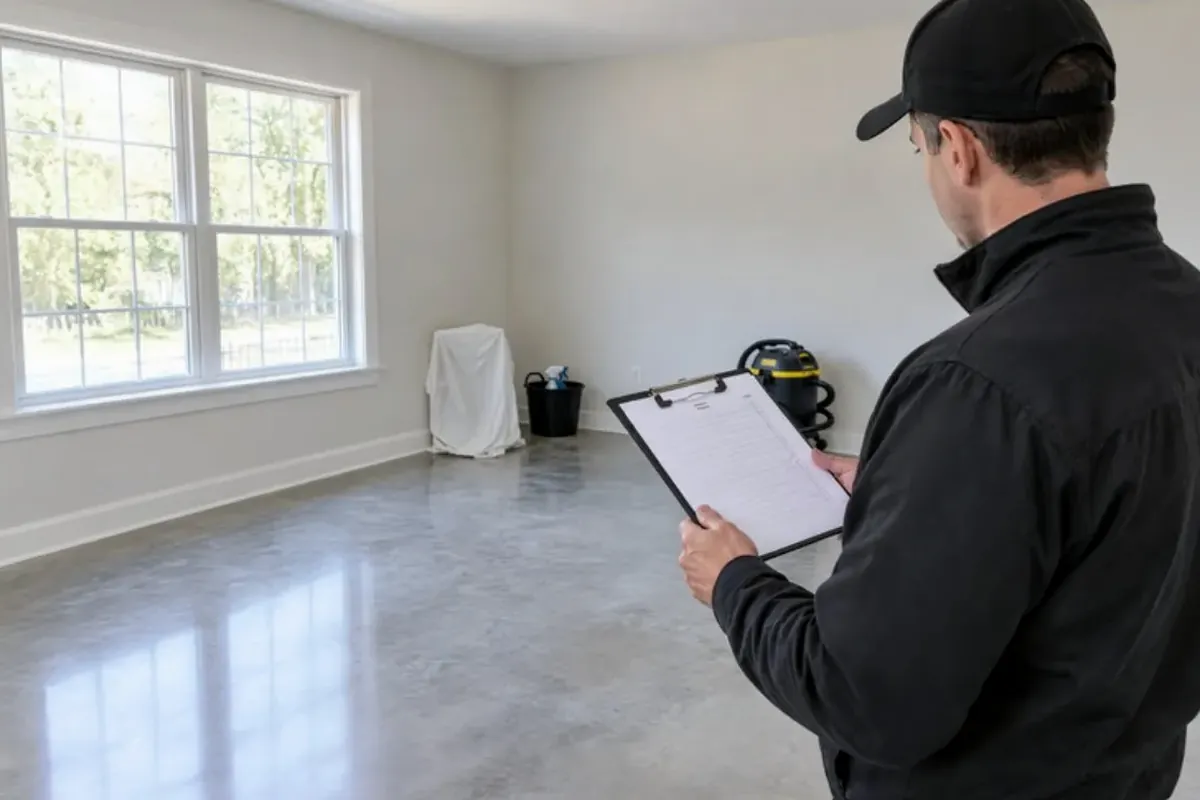
An assessor who did not do the cleanup has nothing to defend. The report reflects what is in the room, not what the remediator hopes it shows. That independence is the main reason to book the check with a different local company.
What the report contains
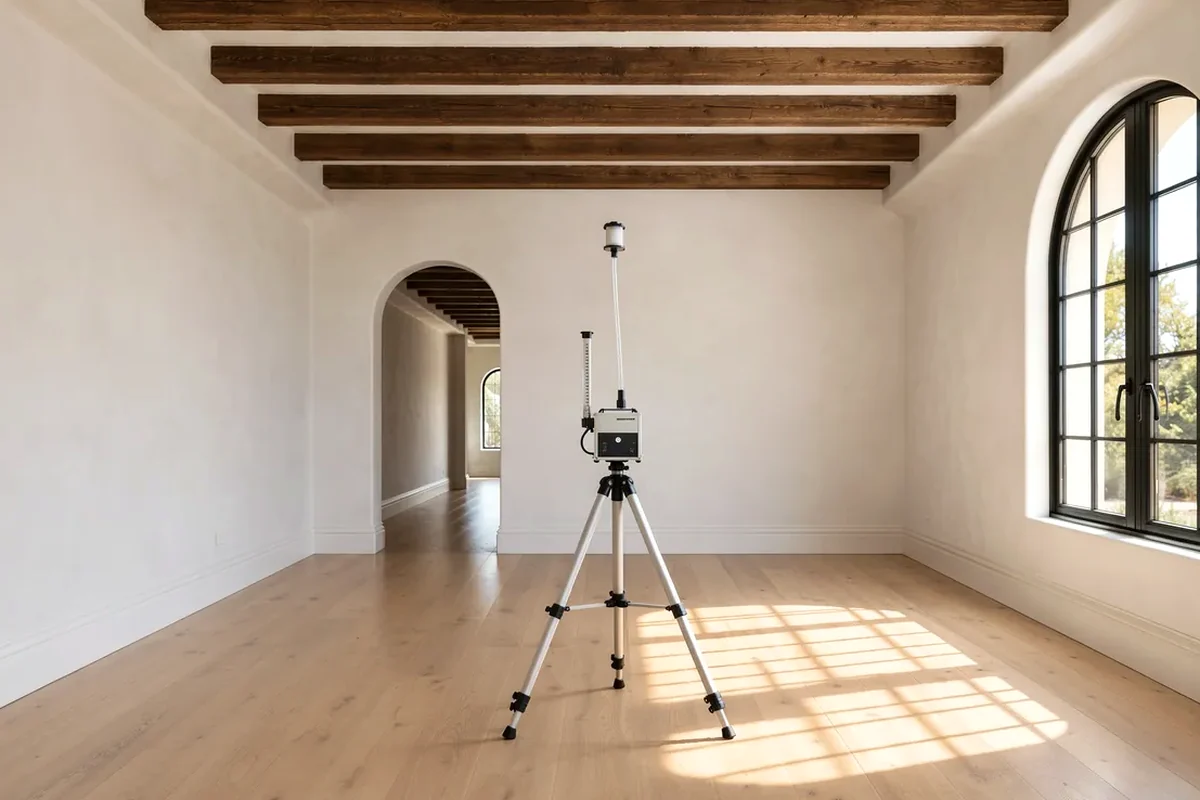
Expect a description of the area, the methods used, photos, readings, lab results when samples were taken and a plain pass or fail statement. Keep the document with your house records, since future buyers and insurers may ask to see it.
After heavy rain, properties near water in this part of Durham County can stay damp for weeks, which is worth raising with the assessor when scheduling clearance.
On larger rural lots, runoff and shade around older additions can keep walls damp, and the assessor will often look at gutters, grading and drainage along with the cleaned room itself.
Who pays after a failed result
If clearance fails because the remediator missed something, the contract usually has that company redo the work. The assessor's recheck may carry its own fee, so ask before signing how a failure and any second visit would be handled, and who pays for each part.
Keep the area undisturbed
Leave containment barriers and air scrubbers in place until the assessor says otherwise, and avoid sweeping, wiping or moving materials in the work area beforehand. Tidying up before the visit can change the readings and hide exactly the thing the check is meant to catch.
Who to check with in Bahama
The NC Division of Public Health suggests not hiring a mold consultant who also sells the remediation, so the person who finds the problem isn't the one paid to fix it.
Tenants should put leak and mold complaints in writing. North Carolina's landlord statute, G.S. 42-42, covers repairs needed to keep a rental fit to live in.
Cleanup on its own rarely needs a permit. Replacing framing, wiring, ductwork or plumbing afterward can, and the Durham City-County Inspections Department can tell you what applies.
If creek or river water came inside, look the address up in North Carolina's Flood Risk Information System and call your insurer before cleanup begins.
Callers here are often matched with companies that work in Durham, Butner and Stem as well.
Grading and gutters
Red clay soil drains slowly, so downspouts and slopes that dump water against the foundation can undo a good cleanup. Direct runoff well away from the house and keep gutters clear of leaves, since this is the least costly long-term protection a homeowner has.
Post-Remediation Clearance Testing questions in Bahama
Who should do the clearance check?
When should clearance happen?
What should I do before the assessor arrives?
Why recheck a house near the water after heavy rain?
More mold services in Bahama
Post-Remediation Clearance Testing nearby
Helpful guides
Sources
- Durham City-County Inspections Department
- N.C. General Statutes 87-1: general contractor license
- NC Licensing Board for General Contractors: consumer FAQ
- NC Division of Public Health: choosing a mold consultant
- N.C. General Statutes 42-42: landlord to provide fit premises
- NC Flood Risk Information System
- EPA: A Brief Guide to Mold, Moisture and Your Home
Last updated: