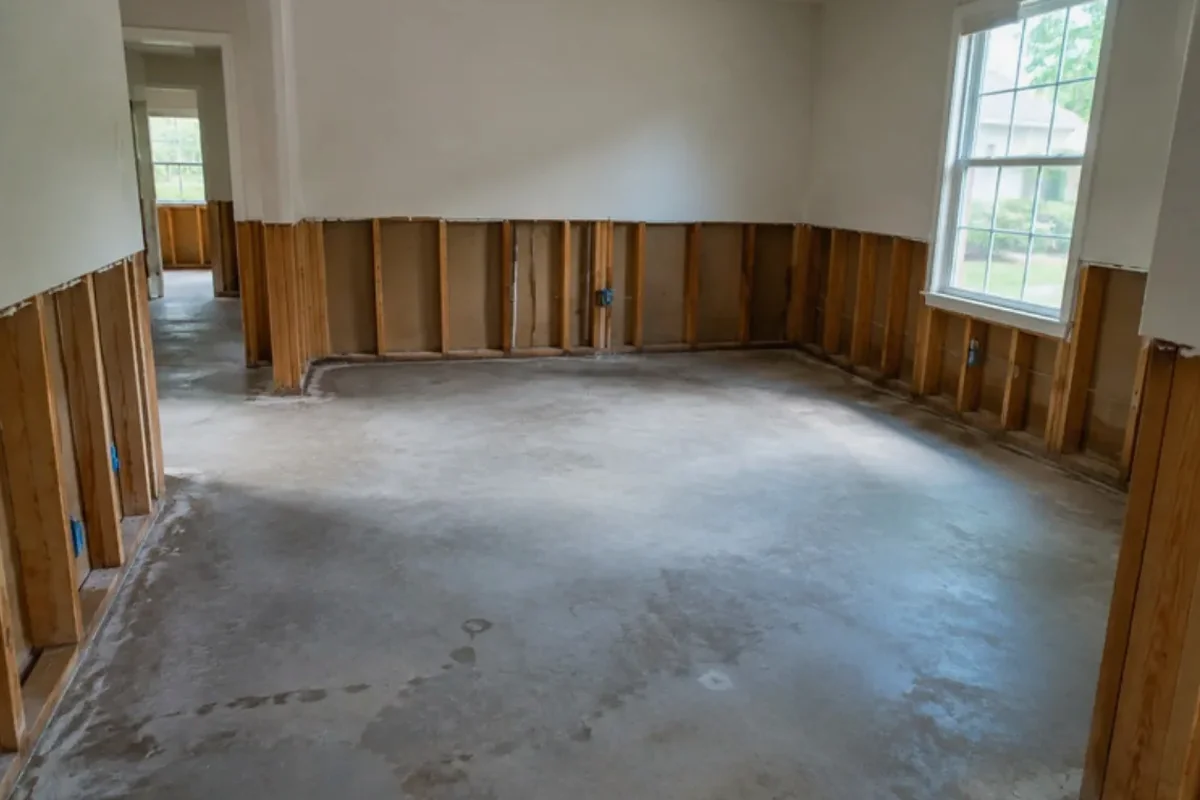
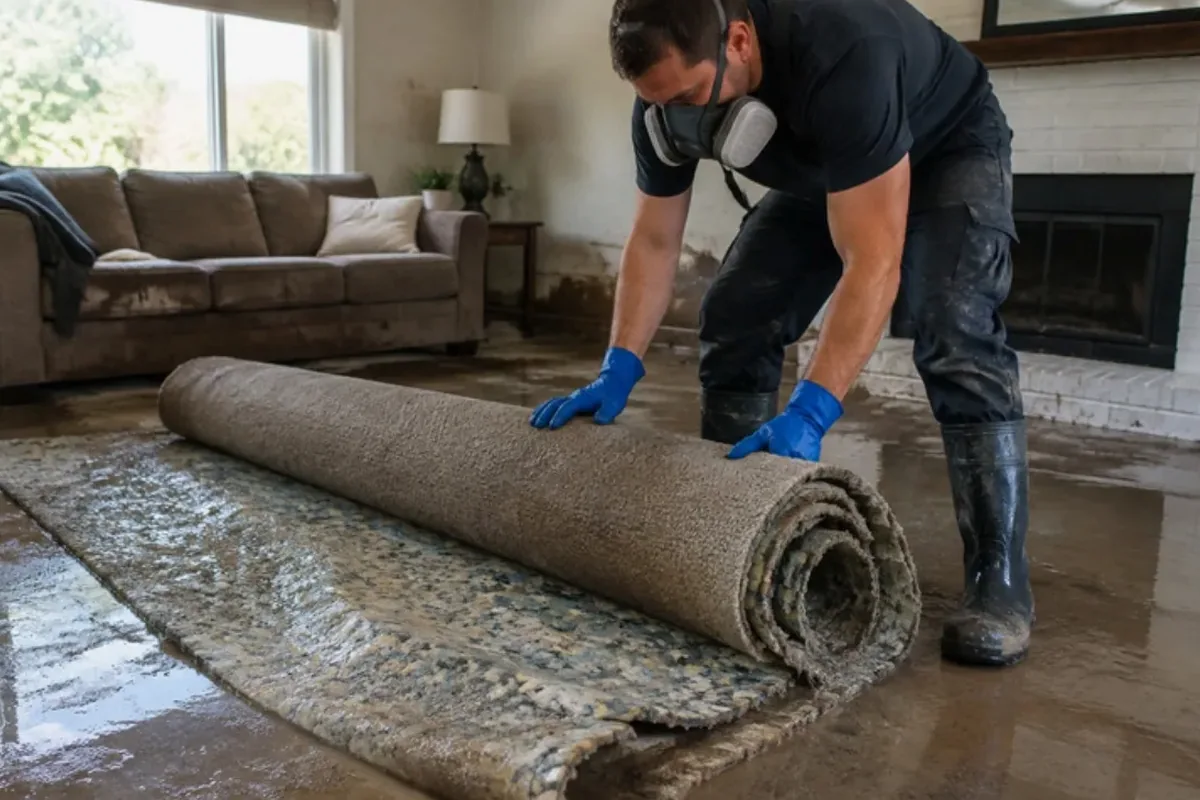
The cleanup order matters: get the water out, run fans and dehumidifiers, remove soaked porous materials, then clean and dry what remains. Rebuilding comes last. Call the number on this page to be connected with a local mold company in Creedmoor.
Rooms that stay wet longest
- Closets against outside walls
- Rooms over a flooded crawl space
- Garage-adjacent utility rooms
- Any space with wall-to-wall carpet
These hold moisture after the visible water has gone, so they deserve the first check. Check them early, since each can hide damp insulation, swollen trim or a sour smell for days.
Why summer storms are worst
Warm, humid air speeds mold growth. Flooding in late summer and early fall, the peak season for tropical rain, hits right when conditions favor growth, so waiting a week to start drying costs far more than it would in cooler months. Quick drying decides the outcome here.
Homes near a river, creek or lake can see water rise on the lot even when the rain has stopped, and floodwater from them tends to carry silt and debris into crawl spaces and lower rooms.
Insurance and flood coverage
Standard homeowner policies generally treat rising water differently from wind-driven rain, and flood coverage is usually separate. Check your policy, document everything, and ask your carrier what applies before discarding materials. A company can record what it finds, but coverage decisions are the insurer's. Policy limits and deductibles vary.
Crawl space work
Crews usually pump out water, remove saturated insulation and vapor barrier, treat and dry the framing, and check ducts and the air handler. Some homeowners add a vapor barrier or dehumidifier afterward to stop the next storm from repeating the cycle. Some add a dehumidifier.
Do not rebuild over damp materials
Closing up walls, laying new flooring or painting before the structure is truly dry traps moisture and invites mold behind the finish. Wait for confirmed readings, even if the schedule slips, because redoing the work costs more. A written scope helps both sides when the job changes.
Before you hire in Creedmoor
Home repair complaints in North Carolina can go to the Department of Justice consumer protection line, 1-877-5-NO-SCAM. Settle the scope in writing first so there is something to point to.
Renting? N.C.G.S. 42-42 requires landlords to keep a home fit and habitable and to repair supplied plumbing and heating; outside an emergency, send the repair request in writing.
Under G.S. 160D-1110, many repairs of $40,000 or less in a house need no permit, but structural, plumbing, electrical and HVAC changes do. Check with Granville County Building Code Enforcement.
After heavy Piedmont rain, the NC Flood Risk Information System is the place to check a property's flood zone before talking to the insurance company.
Callers here are often matched with companies that work in Wake Forest, Butner and Stem as well.
Storm & Flood Mold Removal questions in Creedmoor
How soon does mold grow after a flood?
How do I know if the crawl space is the problem?
How long does drying take?
What about a flooded detached garage or shed?
More mold services in Creedmoor
Storm & Flood Mold Removal nearby
Helpful guides
Sources
- Granville County Building Code Enforcement
- N.C. General Statutes 87-1: general contractor license
- NC Licensing Board for General Contractors: consumer FAQ
- NC Division of Public Health: choosing a mold consultant
- N.C. General Statutes 42-42: landlord to provide fit premises
- NC Flood Risk Information System
- EPA: A Brief Guide to Mold, Moisture and Your Home
Last updated: