The cleanup order matters: get the water out, run fans and dehumidifiers, remove soaked porous materials, then clean and dry what remains. Rebuilding comes last. Call the number on this page to be connected with a local mold company in Chapel Hill.
The first 48 hours after water gets in
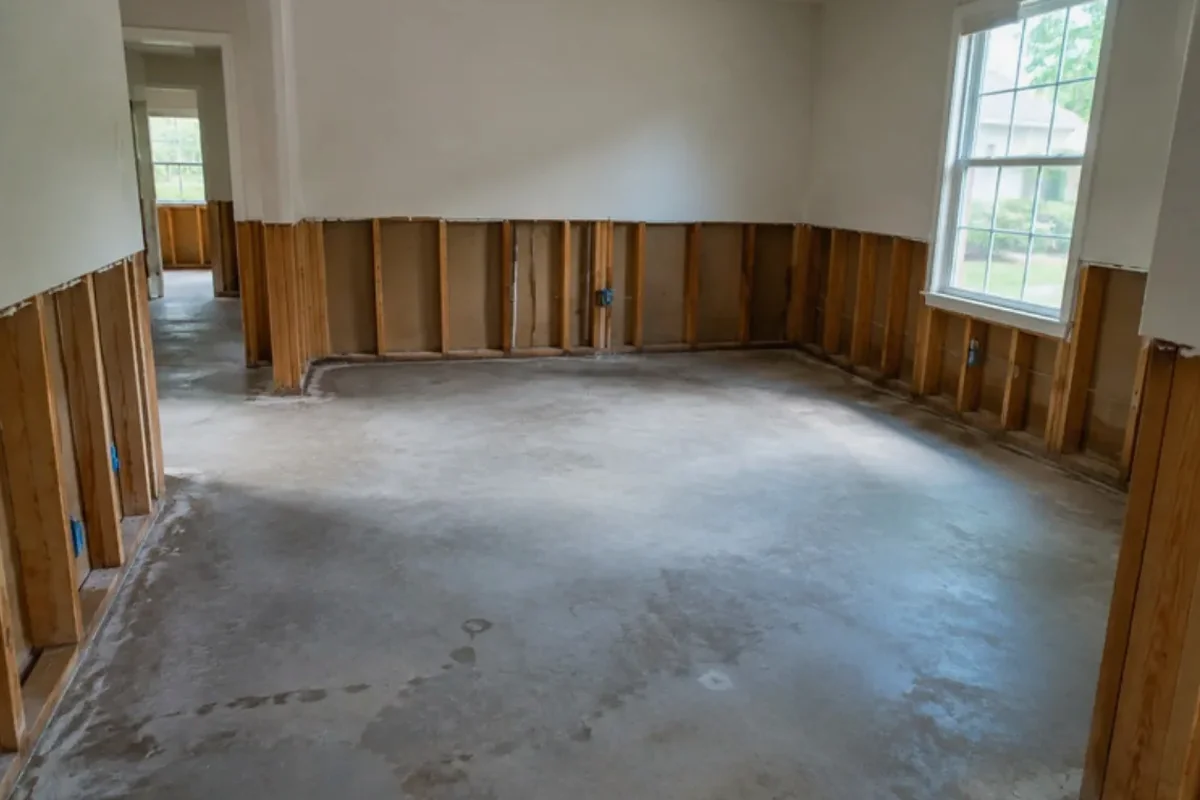
EPA advises drying wet materials within 24 to 48 hours. That window is short after a flood, because carpet, pad, insulation and drywall soak up water fast. Pumping out, opening windows when the air is dry and running dehumidifiers all help. Act while it is fresh.
Lakes, ponds and stormwater basins
Falls Lake, Jordan Lake and neighborhood retention ponds absorb a lot of rain, but when they fill, nearby low spots back up. Storm drains that cannot keep up can also send water into yards and garages during intense downpours. Water pooled on a parking pad can enter that way too.
What comes out and what stays
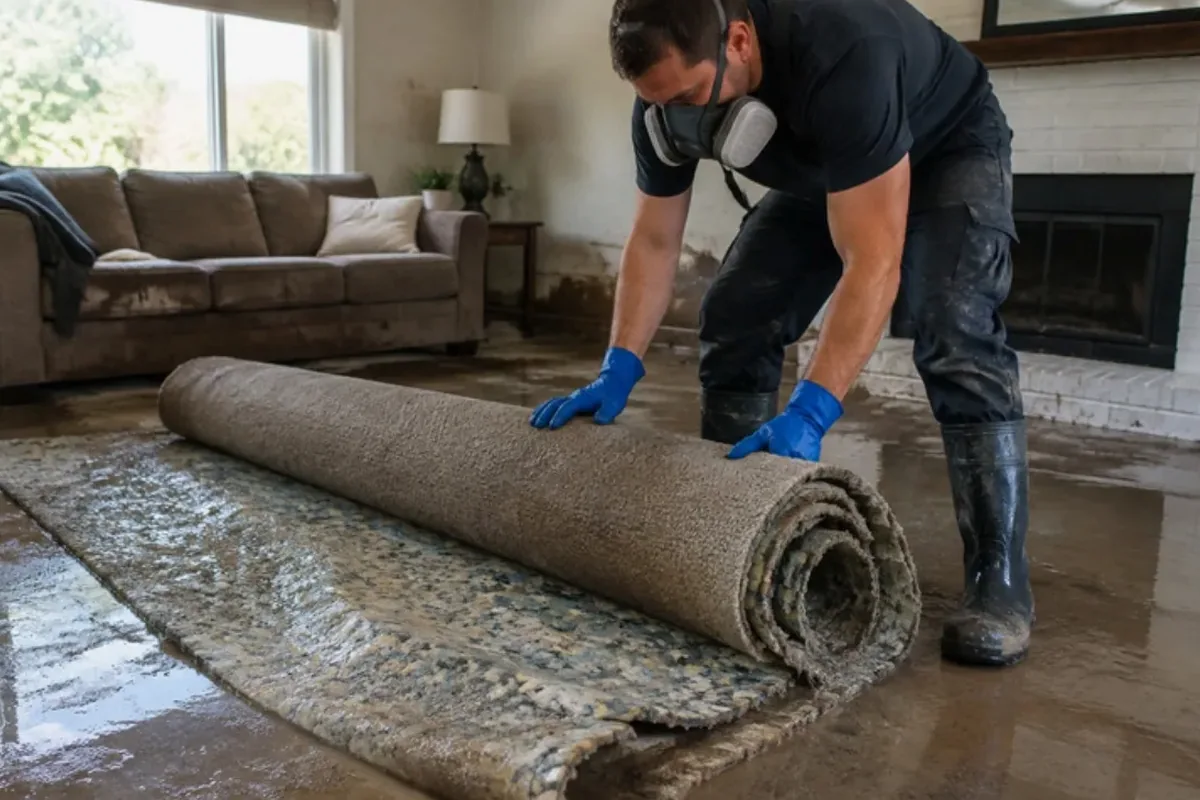
- Carpet, pad and wet insulation usually go
- Drywall wicked high often goes
- Solid framing can be cleaned and dried
- Hard surfaces can often be saved
The more that must be removed, the more rebuild work follows. Early action keeps more on the saved list.
What the first walk-through involves
A company will ask when the water came in, how high it rose and where it came from. It then reads moisture in floors, walls and the crawl space, notes what has already been removed and proposes a drying and removal plan in writing. Early water removal helps.
If you rent
Tenants who see storm damage should give the landlord written notice quickly. North Carolina G.S. 42-42 expects landlords to keep a rental fit and habitable. Photos of wet floors and walls support your request while repairs are arranged. Keep every photo, invoice and report in a single folder.
Who to check with in Chapel Hill
Ask whether the job, including any rebuild, could reach $40,000. At that size state law requires a general contractor license, which you can confirm in the NCLBGC online lookup by name or license number.
Tenants should put leak and mold complaints in writing. North Carolina's landlord statute, G.S. 42-42, covers repairs needed to keep a rental fit to live in.
Cleanup on its own rarely needs a permit. Replacing framing, wiring, ductwork or plumbing afterward can, and the Town of Chapel Hill building and development services office can tell you what applies.
If creek or river water came inside, look the address up in North Carolina's Flood Risk Information System and call your insurer before cleanup begins.
Help is also available nearby in Carrboro, Durham and Morrisville.
Getting to know Chapel Hill
Calls come in from across Chapel Hill, including Southern Village, Chapel Hill Northside, The Shire.
The Town's flood page lists areas that flood during heavy rain, including Bolin Creek when it leaves its banks, S. Estes Drive, Cleland Road and parts of Franklin Street, and advises avoiding parking in the floodplain.
Storm & Flood Mold Removal questions in Chapel Hill
Should I test the air after a flood?
Is it safe to stay in the house?
How long does drying take?
Do I need a license-holder for a big flood repair?
More mold services in Chapel Hill
Storm & Flood Mold Removal nearby
Helpful guides
Sources
- Town of Chapel Hill Building Permits and Inspections
- Town of Chapel Hill Building Permits and Inspections: flood information
- N.C. General Statutes 87-1: general contractor license
- NC Licensing Board for General Contractors: consumer FAQ
- NC Division of Public Health: choosing a mold consultant
- N.C. General Statutes 42-42: landlord to provide fit premises
- NC Flood Risk Information System
Last updated: