EPA says a homeowner can usually handle a moldy area under about 10 square feet once the moisture is fixed. Anything bigger, or growth that returns, is a job for a mold company. Call the number on this page to be connected with a local mold company in Chapel Hill.
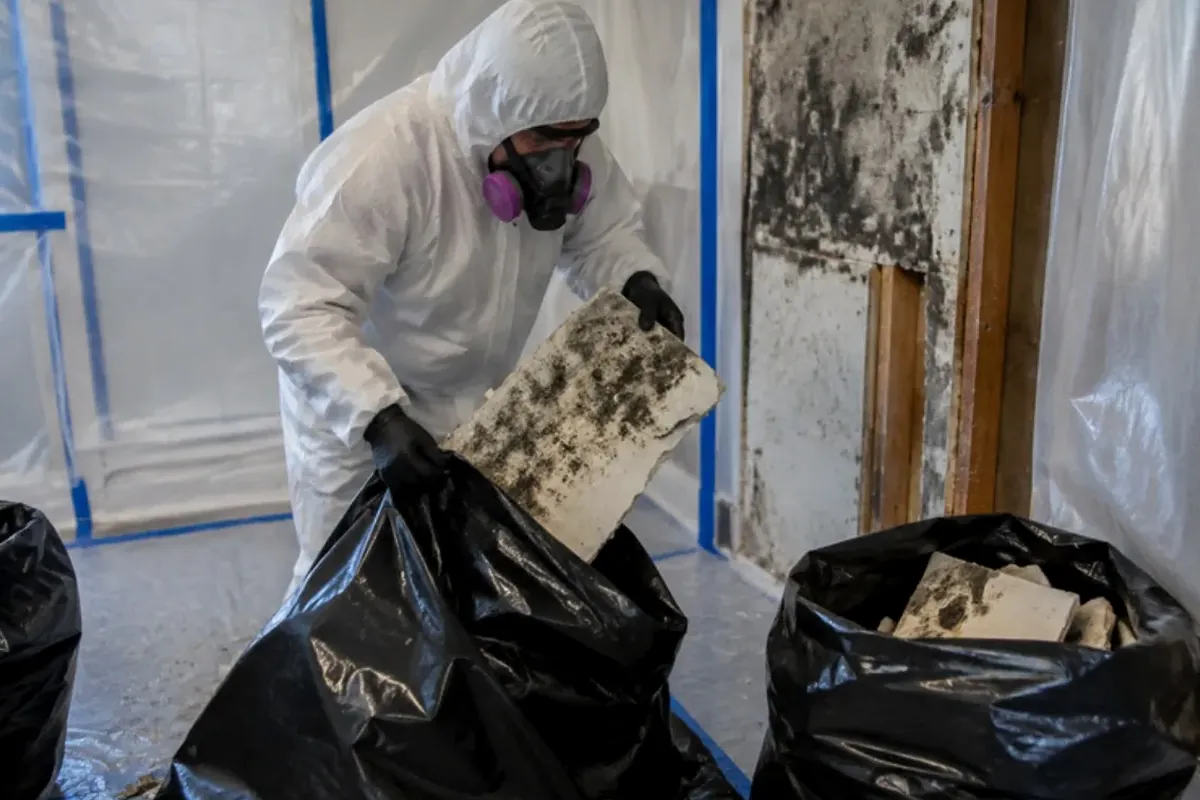
What dark growth looks like
Dark mold appears as speckled or fuzzy patches in black, olive or brown, usually in corners, along ceiling lines, behind furniture and around window frames. A musty smell often rides along. The pattern, rather than the shade, is what suggests moisture has been sitting there for a while.
Plumbing and appliances
Dishwasher lines, ice-maker tubing, washing machine hoses and water heater connections all fail slowly. The leak runs behind a cabinet or inside a wall, and the first visible sign can be a dark bloom on the paint. Following the stain usually leads to the fitting.
Getting a clear estimate
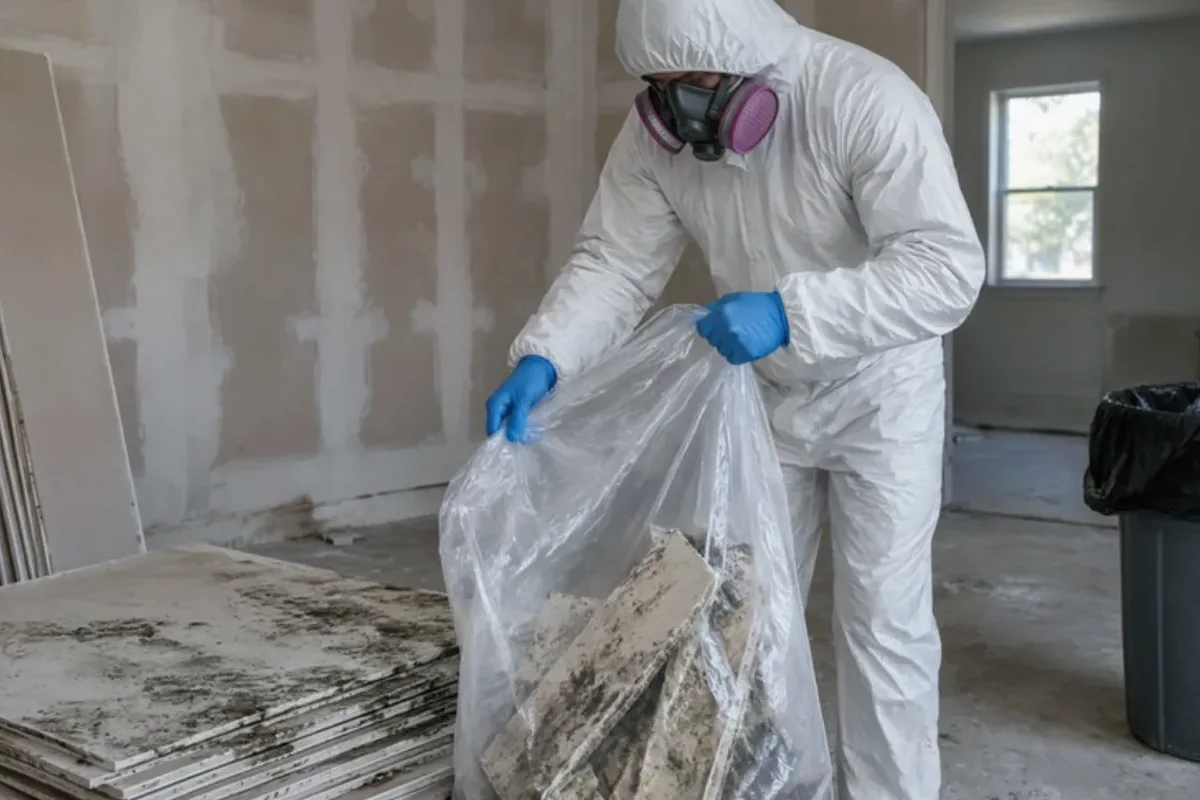
Ask the company to walk the whole affected area, point to moisture readings and put the scope in writing. A line-by-line estimate makes it easier to compare bids here and to spot anything that is missing, such as clearance checks or haul-away.
Keep assessor and remover separate
The NC Division of Public Health advises against hiring a consultant who also does the remediation. An independent party writing the scope and checking the result removes the conflict of interest. Ask any company how it handles that separation.
Keep humidity in check
Run bathroom fans during and after showers, use the kitchen hood while cooking and keep a hygrometer in problem rooms. EPA suggests indoor humidity below about 60 percent and ideally 30 to 50. A dehumidifier helps in the muggiest months.
Rules and offices for Chapel Hill mold jobs
The NC Division of Public Health suggests not hiring a mold consultant who also sells the remediation, so the person who finds the problem isn't the one paid to fix it.
In a rental, written notice to the landlord starts the clock under state law, which requires repairs that keep the unit in a fit and habitable condition.
Permits for Chapel Hill addresses are handled by the Town of Chapel Hill building and development services office; ask there before load-bearing framing or duct runs are replaced.
If creek or river water came inside, look the address up in North Carolina's Flood Risk Information System and call your insurer before cleanup begins.
Callers here are often matched with companies that work in Carrboro, Durham and Morrisville as well.
Around Chapel Hill
Calls come in from across Chapel Hill, including Southern Village, Chapel Hill Northside, The Shire.
The Town's flood page lists areas that flood during heavy rain, including Bolin Creek when it leaves its banks, S. Estes Drive, Cleland Road and parts of Franklin Street, and advises avoiding parking in the floodplain.
Black Mold Removal questions in Chapel Hill
Can I remove black mold myself?
Does bleach kill black mold?
How long does removal take?
How can I find a trustworthy company?
More mold services in Chapel Hill
Black Mold Removal nearby
Helpful guides
Sources
- Town of Chapel Hill Building Permits and Inspections
- Town of Chapel Hill Building Permits and Inspections: flood information
- N.C. General Statutes 87-1: general contractor license
- NC Licensing Board for General Contractors: consumer FAQ
- NC Division of Public Health: choosing a mold consultant
- N.C. General Statutes 42-42: landlord to provide fit premises
- NC Flood Risk Information System
Last updated: