Mold after a leak grows on whatever stayed damp, usually drywall paper, insulation, carpet pad and the bottom of baseboards. EPA advises drying wet materials within 24 to 48 hours, and porous items that stay moldy typically have to come out. Call the number on this page to be connected with a local mold company in Morrisville.
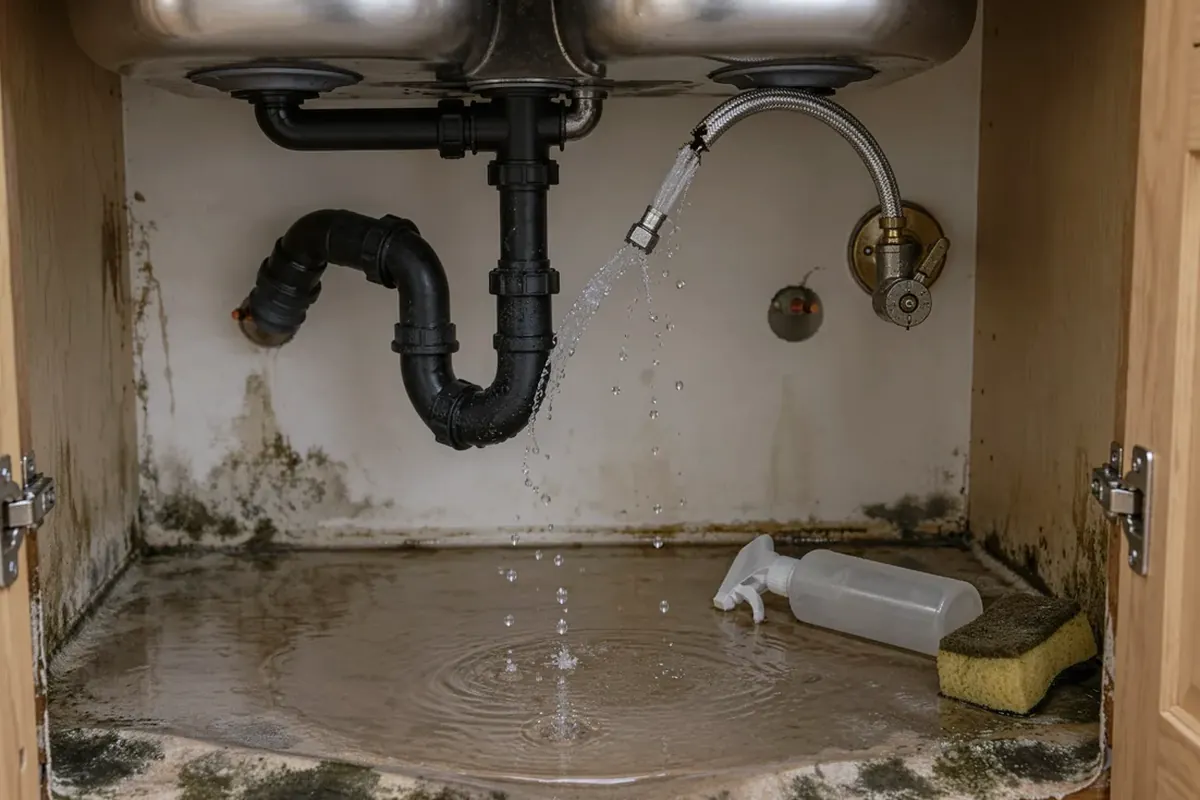
When a wet spot is more than a wet spot
A damp patch that dries in a day usually stays harmless. One that returns after the plumber leaves, or that carries a dusty, earthy odor, suggests water is trapped behind the surface and mold is feeding on the paper face of the drywall.
Older plumbing, newer problems
Houses from the mid-century through the 1980s may still carry galvanized or aging copper lines, and pinhole leaks hide inside walls. Combined with heavy red clay that holds ground moisture, the result is plumbing trouble that goes unseen for a long time. Pinhole leaks there can drip for months.
Insurance questions to raise early
Many homeowner policies treat sudden pipe bursts differently from slow seepage. Photograph the damage, keep the plumber's invoice, and ask your carrier before tearing out finishes. A mold company can document what it finds, though coverage decisions rest with your insurer. Policies and deductibles vary widely.
Be present for the opening
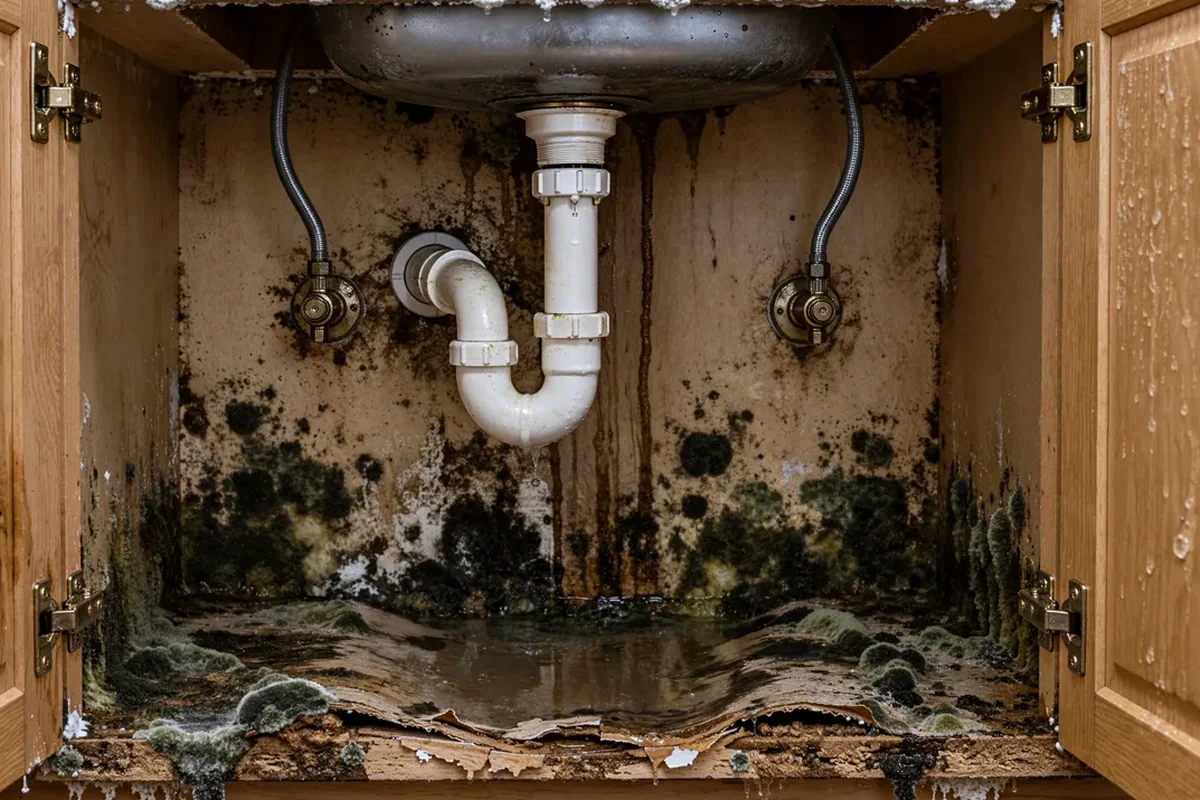
If you can, be home when walls or ceilings are first cut. Seeing the wet insulation and the stained back side of the drywall tells you more than any report, and it helps you agree on how far the removal should reasonably go. Ask questions as they cut.
Do not wait for visible growth
Waiting until mold shows is the most common mistake after a leak. By then the hidden side of the wallboard is usually well along. A moisture check costs little compared with reopening the same wall a season later. Spotting the issue early keeps repairs small and contained.
Before you hire in Morrisville
State public health staff advise asking questions before you pay, checking whether a company belongs to trade groups and follows industry guidelines, and keeping the assessment separate from the cleanup.
In a rental, written notice to the landlord starts the clock under state law, which requires repairs that keep the unit in a fit and habitable condition.
Under G.S. 160D-1110, many repairs of $40,000 or less in a house need no permit, but structural, plumbing, electrical and HVAC changes do. Check with the Town of Morrisville Inspections Department.
Flood water and a burst pipe are usually treated differently by insurers; the state's FRIS flood maps show whether a lot sits in a mapped flood zone.
Help is also available nearby in Cary, Apex and Durham.
Leak & Burst Pipe Mold Removal questions in Morrisville
How fast does mold grow after a pipe leak?
Will insurance cover leak mold in Morrisville?
How do I choose a company for a big job?
My attic pipe leaked, what now?
More mold services in Morrisville
Leak & Burst Pipe Mold Removal nearby
Helpful guides
Sources
- Town of Morrisville Inspections Department
- Wake County Permits and Inspections: flood information
- N.C. General Statutes 87-1: general contractor license
- NC Licensing Board for General Contractors: consumer FAQ
- NC Division of Public Health: choosing a mold consultant
- N.C. General Statutes 42-42: landlord to provide fit premises
- NC Flood Risk Information System
Last updated: