A test fixes nothing by itself. It gives information, and that information only helps if the moisture behind the mold is found and corrected as well. Call the number on this page to be connected with a local mold company in Moncure.
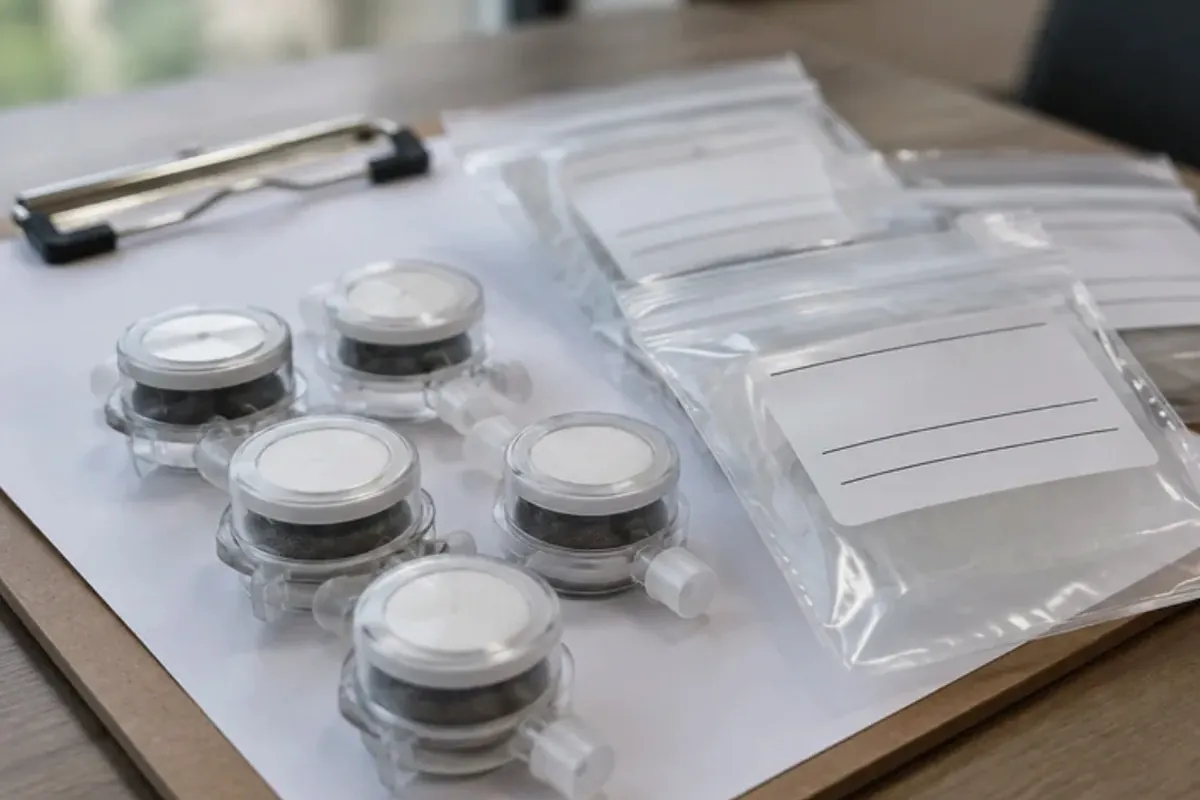
A lab report is not always the starting line
Plenty of people assume sampling comes first. Often it does not. If you can see the growth and know where the water came from, EPA guidance points toward drying and removal. A test fits better when the cause is still a mystery.
Sample types at a glance
- Air: room air drawn across a collector.
- Tape lift: a sticky strip pressed on a surface.
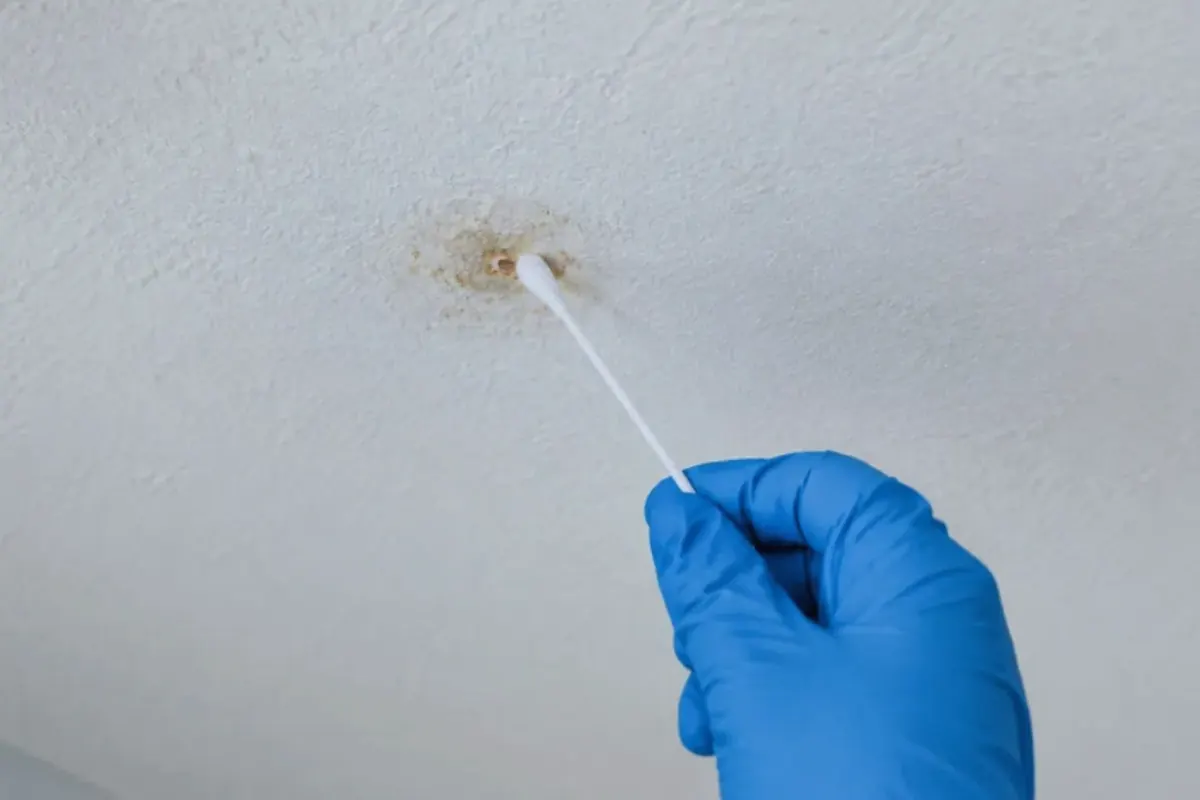
- Swab: a wipe from a stain or fixture.
- Bulk: a small piece of drywall or insulation.
Each answers a different question, and a good assessor matches the mix to the problem.
After heavy rain, properties near water in this part of Chatham County can stay damp for weeks, and an assessor may take samples in lower rooms to compare with higher floors.
Out on larger lots, drainage and shade around older buildings can keep walls damp, and a sample from a detached structure is treated separately from the main house.
Getting a clear estimate
Ask what the quote includes, how many samples it covers, which lab is used, how long results take and whether the assessor will walk you through the report. A good estimate is written and specific. Vague wording about extras is a reason to ask more questions.
Who to check with in Moncure
The NC Division of Public Health suggests not hiring a mold consultant who also sells the remediation, so the person who finds the problem isn't the one paid to fix it.
Tenants should put leak and mold complaints in writing. North Carolina's landlord statute, G.S. 42-42, covers repairs needed to keep a rental fit to live in.
Cleanup on its own rarely needs a permit. Replacing framing, wiring, ductwork or plumbing afterward can, and Chatham County Central Permitting & Inspections can tell you what applies.
If creek or river water came inside, look the address up in North Carolina's Flood Risk Information System and call your insurer before cleanup begins.
Callers here are often matched with companies that work in Holly Springs, New Hill and Apex as well.
What the assessor does on arrival
Expect a walk-through first, with questions about leaks, smells and past repairs. A moisture meter and sometimes a thermal camera come out before any sample is taken. Afterward the assessor writes up findings, which is the part you will keep for your records.
Dry fast after any water event
EPA advises drying wet materials within 24 to 48 hours. In a humid climate that window is short, so fans, dehumidifiers and removal of soaked porous items should start right away. Sampling days later may find a problem that quick drying would have avoided.
Mold Testing questions in Moncure
What is a mold test?
Do I need a mold test if I can see mold?
Should the company that tests also do the cleanup?
Why does a house near the water need extra attention?
More mold services in Moncure
Mold Testing nearby
Helpful guides
Sources
- Chatham County Central Permitting & Inspections
- N.C. General Statutes 87-1: general contractor license
- NC Licensing Board for General Contractors: consumer FAQ
- NC Division of Public Health: choosing a mold consultant
- N.C. General Statutes 42-42: landlord to provide fit premises
- NC Flood Risk Information System
- EPA: A Brief Guide to Mold, Moisture and Your Home
Last updated: