A good report names the rooms checked, the moisture readings, the photos and the likely cause, then recommends next steps. Vague summaries with no locations are a warning sign. Call the number on this page to be connected with a local mold company in Middlesex.
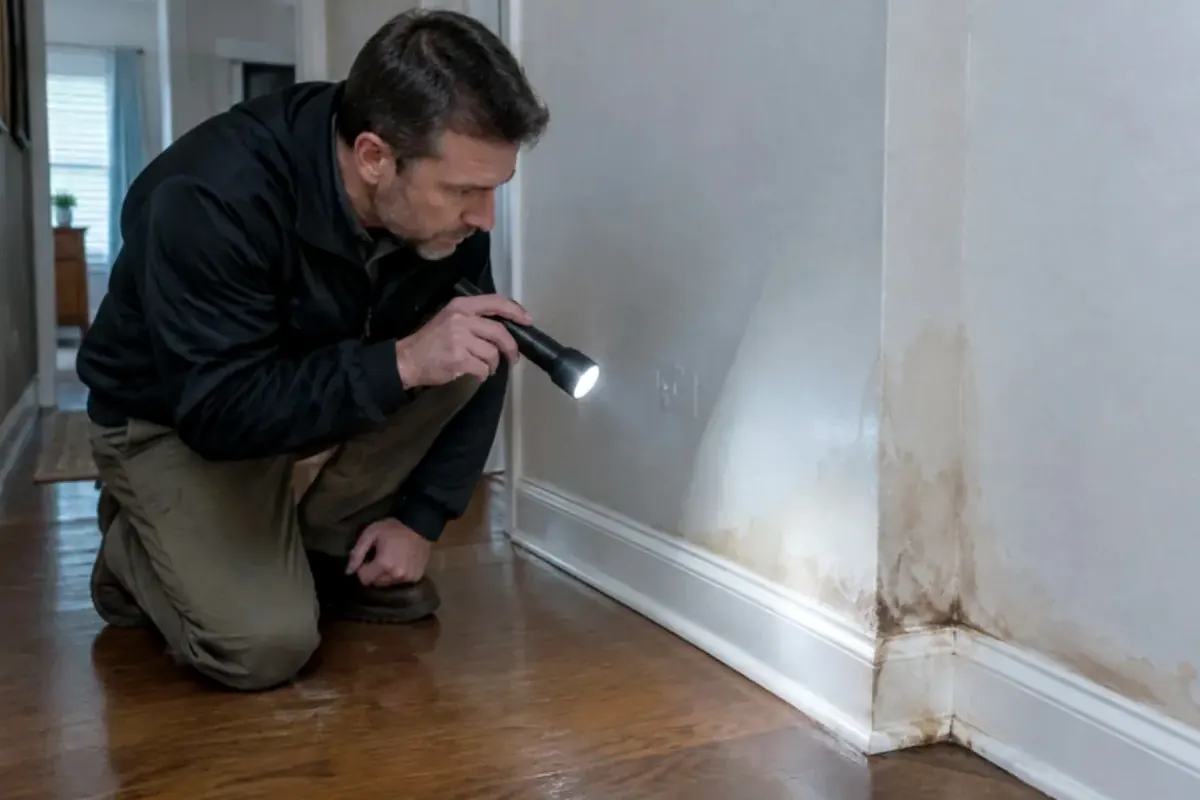
Smell without a source
A damp odor in a closet, bathroom or hallway often means moisture is trapped behind a surface. Nothing may show on the wall itself. An inspector with a meter and a flashlight can trace where the dampness starts without tearing everything open first.
The meter often finds it first.
Starting under the house
Most homes in this part of Nash County sit over a crawl space, so inspectors start there. They check the ground cover, insulation, floor joists, ducts and vents for dampness, since this area often tells the story for the rest of the house.
Ground cover and ducts get a close look.
Homes in the country often have older plumbing, well equipment and long runoff paths. Inspectors will check those along with the house, so mention any outbuildings when you book.
Where the guide helps
Our cost guide covers typical line items, and our guide on inspection versus testing explains why sampling is not always the first step. Reading both before you call makes it easier to judge any quote you receive.
Ask each company for its report format.
What the report should say
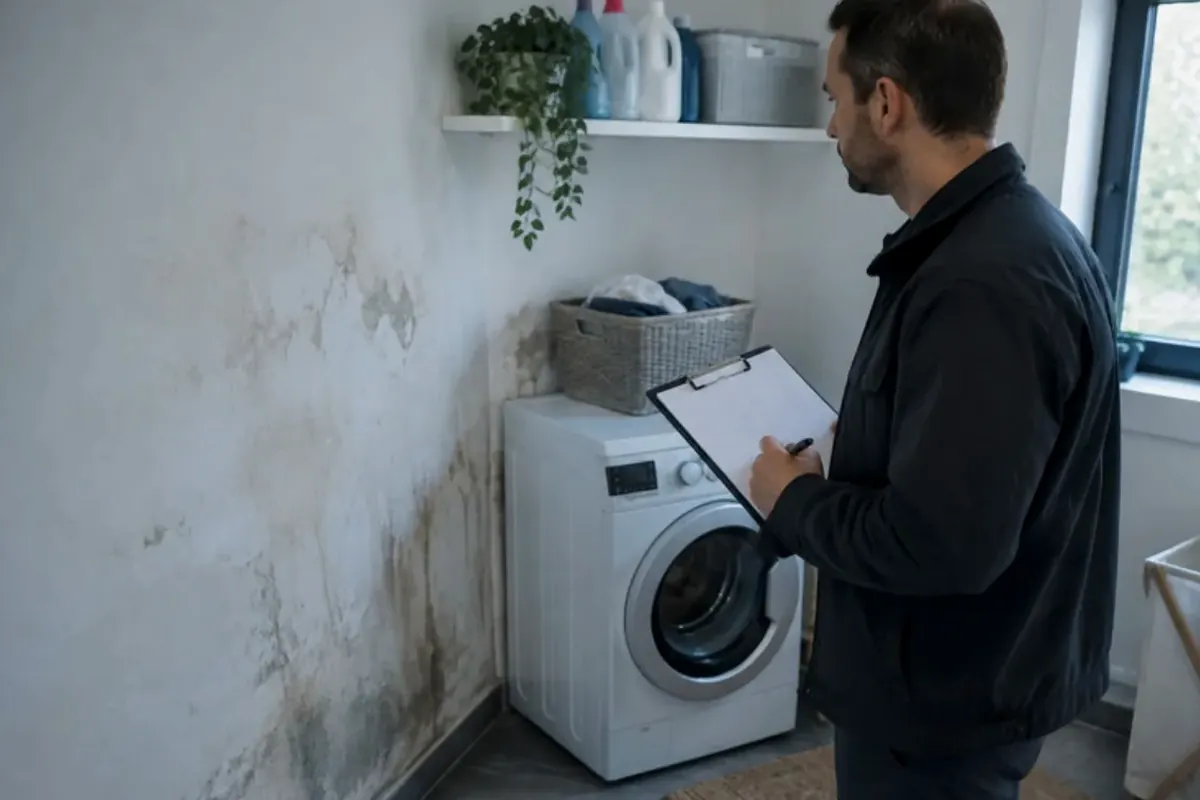
Expect room-by-room notes, photos, moisture readings with locations and a likely cause for each problem. A solid report also lists recommended next steps, such as repairing a leak or removing wet drywall, in plain language you can hand to a contractor.
The report is your record afterward.
Don't ignore it while you decide
Wet drywall and insulation can start to grow in a day or two, so a repair that waits a month can quietly grow the job. Dry what you can, stop the water, and keep your photos while you decide on next steps.
Prompt action keeps the job smaller.
Who to check with in Middlesex
Be wary of anyone who wants air sampling as the very first step. North Carolina's public health guidance warns about exactly that, and suggests asking plenty of questions before you pay.
Tenants should put leak and mold complaints in writing. North Carolina's landlord statute, G.S. 42-42, covers repairs needed to keep a rental fit to live in.
Under G.S. 160D-1110, many repairs of $40,000 or less in a house need no permit, but structural, plumbing, electrical and HVAC changes do. Check with the local building department.
Flood water and a burst pipe are usually treated differently by insurers; the state's FRIS flood maps show whether a lot sits in a mapped flood zone.
Callers here are often matched with companies that work in Zebulon, Bailey and Wendell as well.
Mold Inspection questions in Middlesex
How long does an inspection take?
Should the inspector also do the cleanup?
Can an inspector find mold behind walls?
How soon should I call after a leak?
More mold services in Middlesex
Mold Inspection nearby
Helpful guides
Sources
- N.C. General Statutes 87-1: general contractor license
- NC Licensing Board for General Contractors: consumer FAQ
- NC Division of Public Health: choosing a mold consultant
- N.C. General Statutes 42-42: landlord to provide fit premises
- NC Flood Risk Information System
- EPA: A Brief Guide to Mold, Moisture and Your Home
Last updated: