The North Carolina Division of Public Health advises against hiring a consultant who also does the cleanup, and against leaning on air sampling as a first step. Ask who benefits from the result before you book. Call the number on this page to be connected with a local mold company in Middlesex.
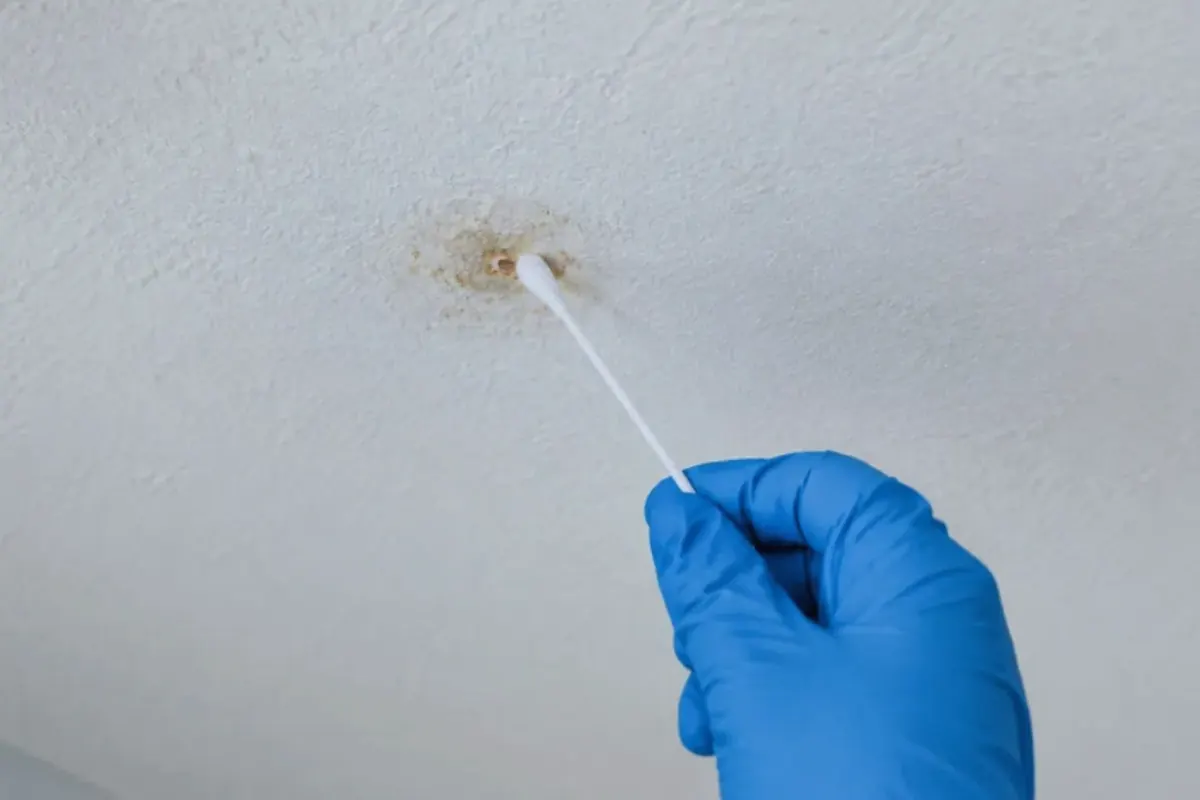
A lab report is not always the starting line
Plenty of people assume sampling comes first. Often it does not. If you can see the growth and know where the water came from, EPA guidance points toward drying and removal. A test fits better when the cause is still a mystery.
Sample types at a glance
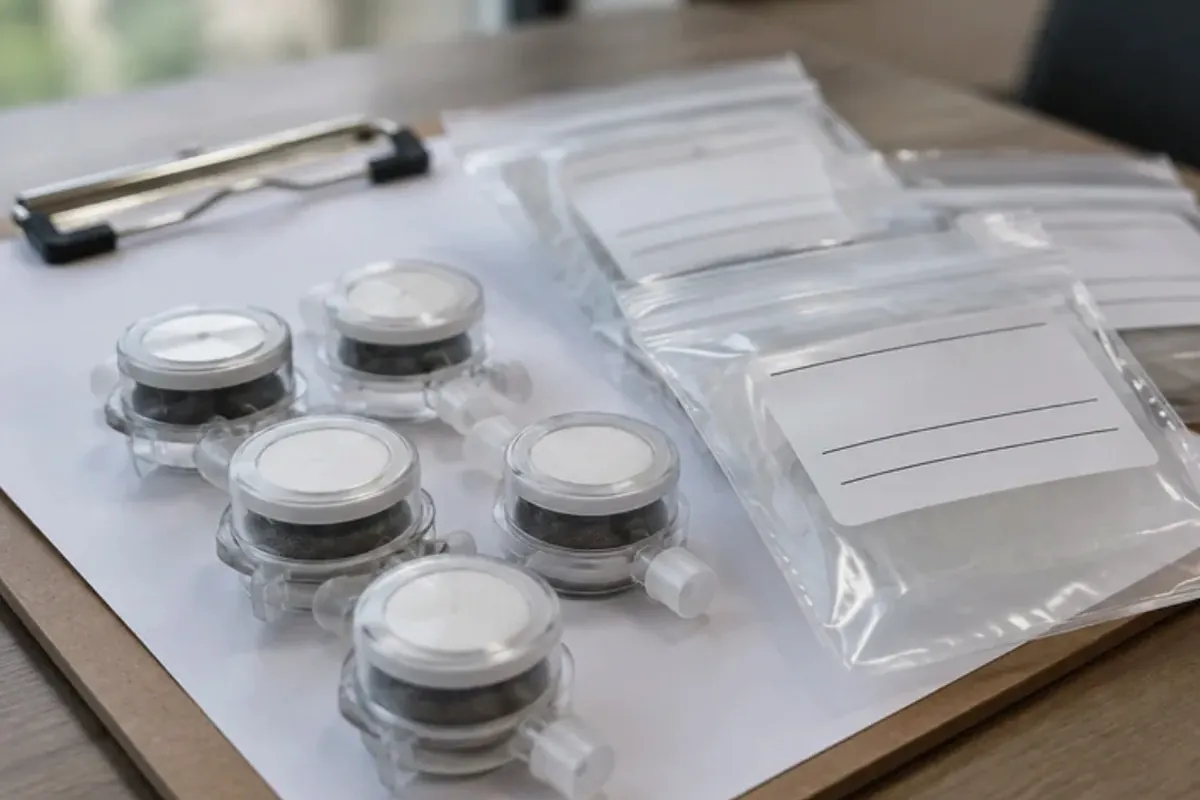
- Air: room air drawn across a collector.
- Tape lift: a sticky strip pressed on a surface.
- Swab: a wipe from a stain or fixture.
- Bulk: a small piece of drywall or insulation.
Each answers a different question, and a good assessor matches the mix to the problem.
Farm-style homes and barns in this part of Nash County often sit far from city services, and an assessor may need extra time to cover outbuildings, crawl spaces and older additions.
Why quotes differ
Two proposals for the same house can sit far apart because one includes a careful visual and moisture inspection while the other just drops off sample cassettes. Compare what is covered, not only the total. A lab number with no context is hard to act on.
Questions worth asking
Who will take the samples, and why those spots? Will the report include a plan for cleanup if one is needed? Does the same business also do remediation? That last answer matters, because independence between the opinion and the work protects you from a sales pitch.
Ventilation habits that matter
Run bath fans during and after showers, vent the dryer outdoors, and keep furniture a few inches off exterior walls. Small habits like these reduce the damp corners where a test would otherwise keep finding trouble, whatever the last lab report said.
Who to check with in Middlesex
For a big tear-out and rebuild, look the company up on the NC Licensing Board for General Contractors site; its search works by name, number or county, and a license is required at $40,000 and up.
Tenants should put leak and mold complaints in writing. North Carolina's landlord statute, G.S. 42-42, covers repairs needed to keep a rental fit to live in.
Under G.S. 160D-1110, many repairs of $40,000 or less in a house need no permit, but structural, plumbing, electrical and HVAC changes do. Check with the local building department.
Flood water and a burst pipe are usually treated differently by insurers; the state's FRIS flood maps show whether a lot sits in a mapped flood zone.
Help is also available nearby in Zebulon, Bailey and Wendell.
Mold Testing questions in Middlesex
Are home mold test kits reliable?
How long do mold test results take?
Should I clean the area before a test?
What should I do after a test shows mold?
More mold services in Middlesex
Mold Testing nearby
Helpful guides
Sources
- N.C. General Statutes 87-1: general contractor license
- NC Licensing Board for General Contractors: consumer FAQ
- NC Division of Public Health: choosing a mold consultant
- N.C. General Statutes 42-42: landlord to provide fit premises
- NC Flood Risk Information System
- EPA: A Brief Guide to Mold, Moisture and Your Home
Last updated: