A typical job runs from a few days to a couple of weeks, depending on how much is affected and how long the structure takes to dry. The drying stage is often the longest part. Call the number on this page to be connected with a local mold company in New Hill.
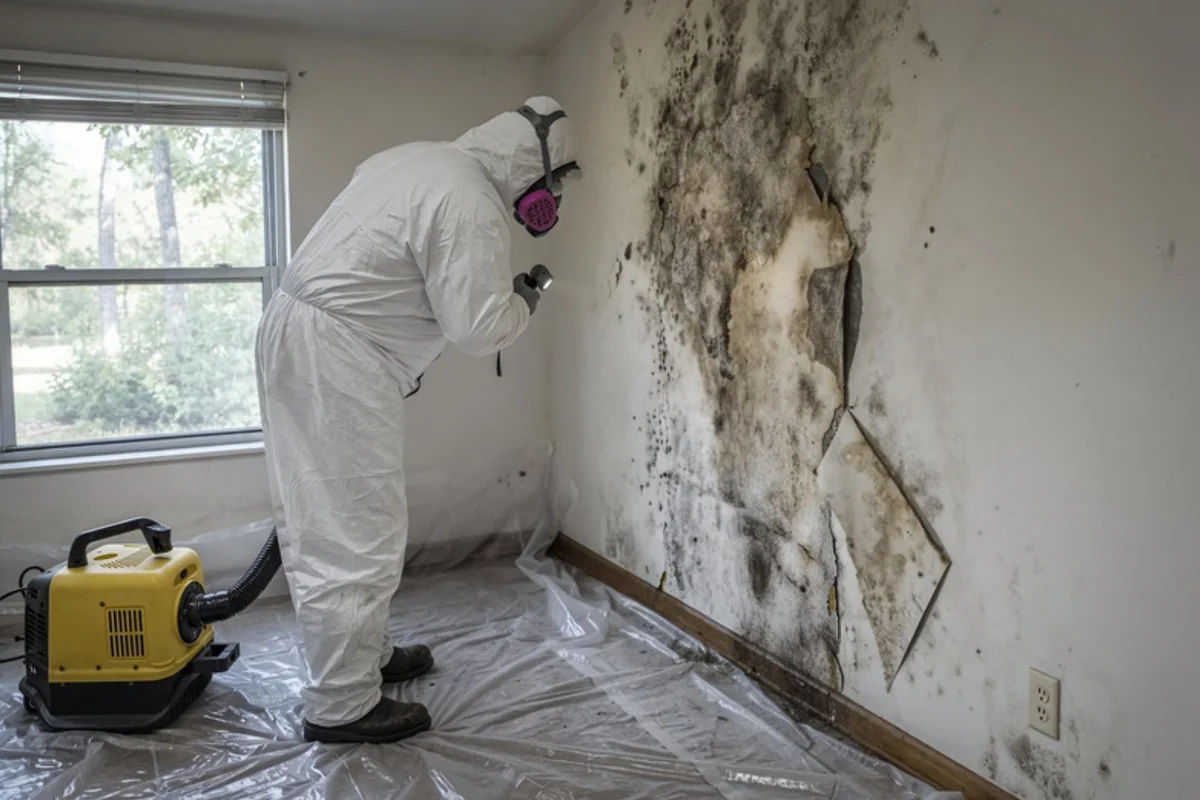
Six steps, in order
Plans differ in detail, but most follow this sequence from first visit to sign-off:
- Repair the water source
- Seal and ventilate the work zone
- Remove unsalvageable material
- Clean what stays
- Dry the structure fully
- Check before rebuilding
Your company may reorder a step or two, so ask them to explain why and what it changes.
Why growth comes back
Mold that returns after a cleanup usually points to the original moisture still being present. Humid summer air, a damp crawl space or an unfixed leak keeps feeding it. That is why this work is described as fixing conditions, not only removing growth.
The pattern is always damp framing, loose flashing or condensation that was ignored for too long.
Homes near a river, creek or lake can sit on low ground where the water table rises after storms. Crawl spaces and lower walls here tend to stay damp longer and need extra attention to drainage.
Rural properties often include well houses, barns and older outbuildings alongside the home. Mold can start in any of them, so make sure the quote spells out which structures are covered.
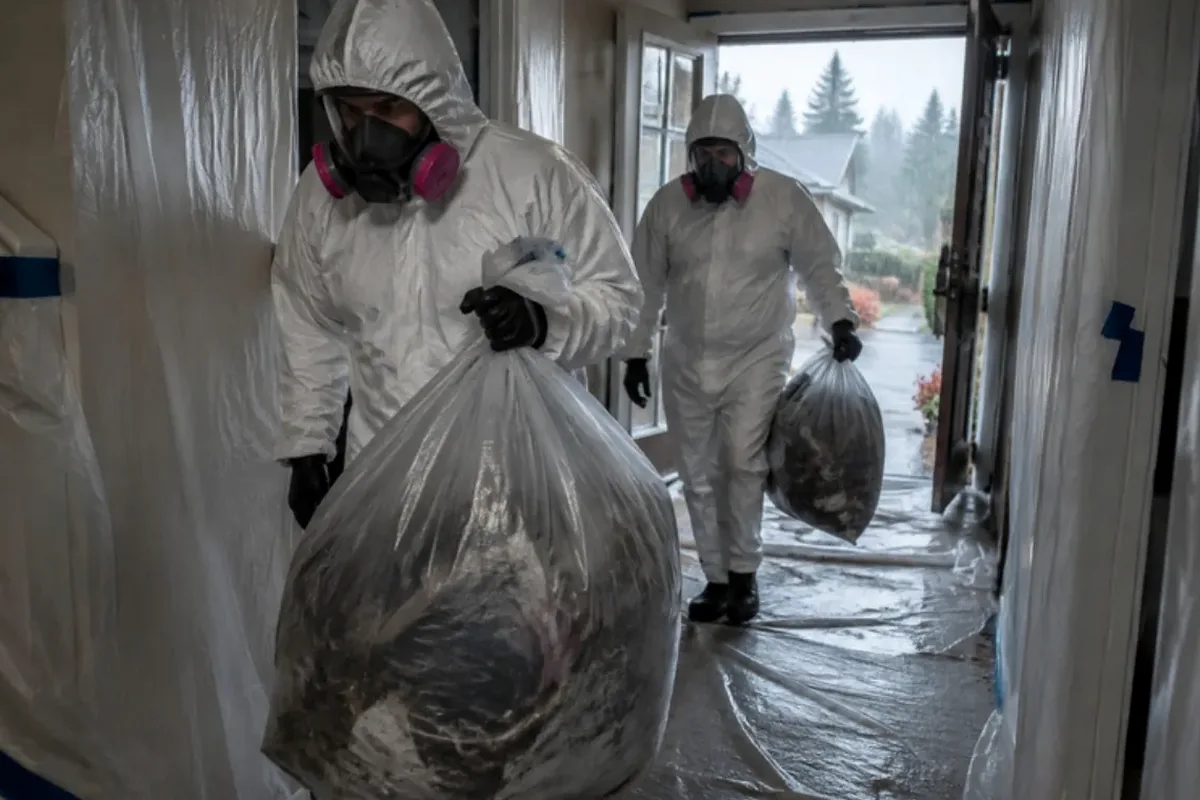
Size is only part of it
Two jobs of the same square footage can price very differently. One wall of soaked drywall is straightforward, but the same area under a low crawl space, behind cabinets or above a vaulted ceiling takes more labor, more protection and more time.
Ask how it will reach the area.
Photos before, during and after
Reputable crews photograph the area at each stage. Those pictures help with an insurance file, a home sale or a later dispute. Ask for them, along with any moisture readings taken, and keep them with your other house records.
Also keep your insurance claim information handy, since adjusters may want the same records.
Make the next storm less costly
Before the rainy stretch, clear gutters, check the grade around the house, look under the house for standing water and test the sump or crawl space dehumidifier if you have one. A short inspection beats a long cleanup.
A bit of preparation now saves a lot of tearing out later.
Before you hire in New Hill
North Carolina ties larger jobs to the general contractor license: under G.S. 87-1, a project costing $40,000 or more needs a contractor holding a license from the NC Licensing Board for General Contractors.
In a rental, written notice to the landlord starts the clock under state law, which requires repairs that keep the unit in a fit and habitable condition.
Cleanup on its own rarely needs a permit. Replacing framing, wiring, ductwork or plumbing afterward can, and Wake County Permits and Inspections can tell you what applies.
If creek or river water came inside, look the address up in North Carolina's Flood Risk Information System and call your insurer before cleanup begins.
Help is also available nearby in Holly Springs, Moncure and Apex.
Mold Removal & Remediation questions in New Hill
What is the difference between mold removal and mold remediation?
What if mold keeps coming back after cleanup?
Who handles the paperwork if I'm selling my house?
How are crawl space jobs different?
More mold services in New Hill
Mold Removal & Remediation nearby
Helpful guides
Sources
- Wake County Permits and Inspections
- Wake County Permits and Inspections: flood information
- N.C. General Statutes 87-1: general contractor license
- NC Licensing Board for General Contractors: consumer FAQ
- NC Division of Public Health: choosing a mold consultant
- N.C. General Statutes 42-42: landlord to provide fit premises
- NC Flood Risk Information System
Last updated: