A passing result means the area met the goals of the written cleanup plan on the day it was checked. It does not promise the water problem will never return. Call the number on this page to be connected with a local mold company in New Hill.
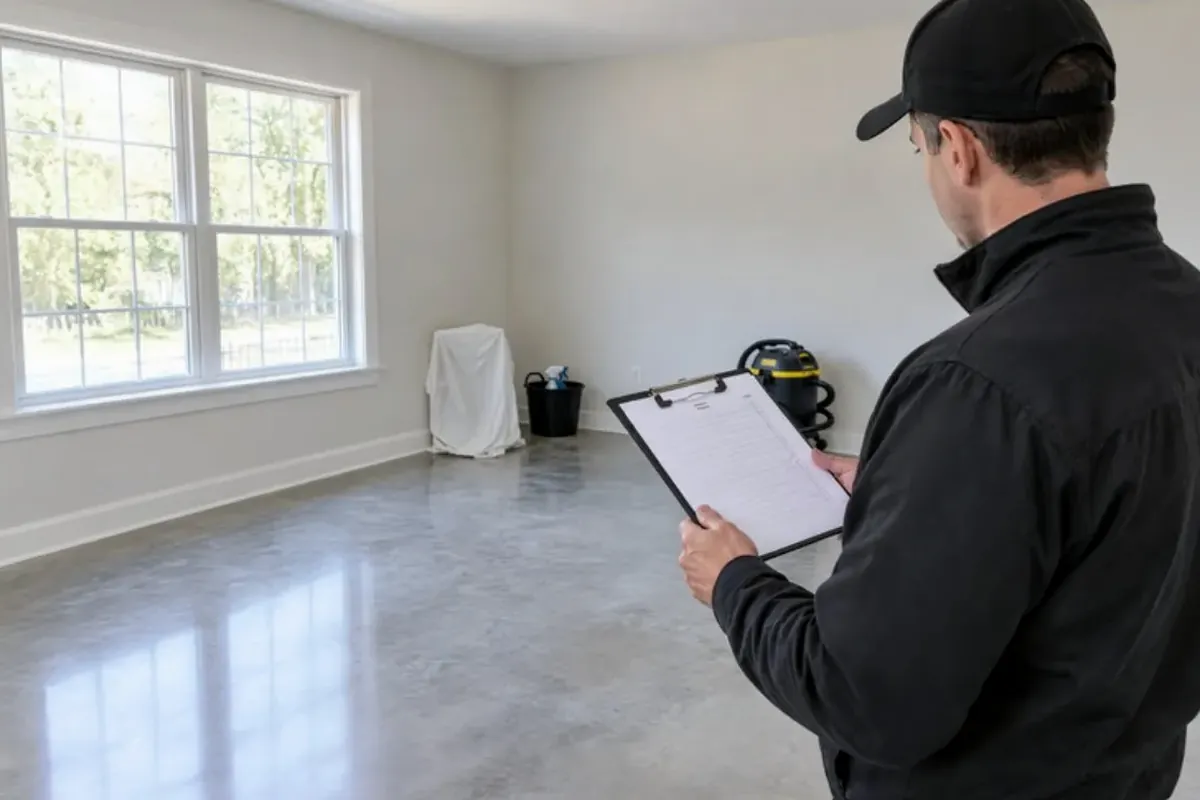
What a pass actually tells you
It tells you the work area met the goals in the plan on the day it was checked. It does not guarantee the future. If the water source returns, so can the growth, which is why the repair behind the cleanup matters as much as the cleanup.
How clearance day runs
- Review the cleanup plan.
- Walk the containment area.
- Look for dust, debris and stains.
- Take moisture readings.
- Collect samples if required.
A written report follows once any lab results are in, usually with photos of each area checked and a plain statement of the outcome.
Low ground along creeks and shorelines in this area keeps soil wet, so an assessor may recheck readings after a rainy stretch before calling the work finished.
Homes far from city services in this part of Chatham County can mean longer travel for the assessor and lab pickup, so allow extra time before a closing or move-in date.
Lab fees and turnaround
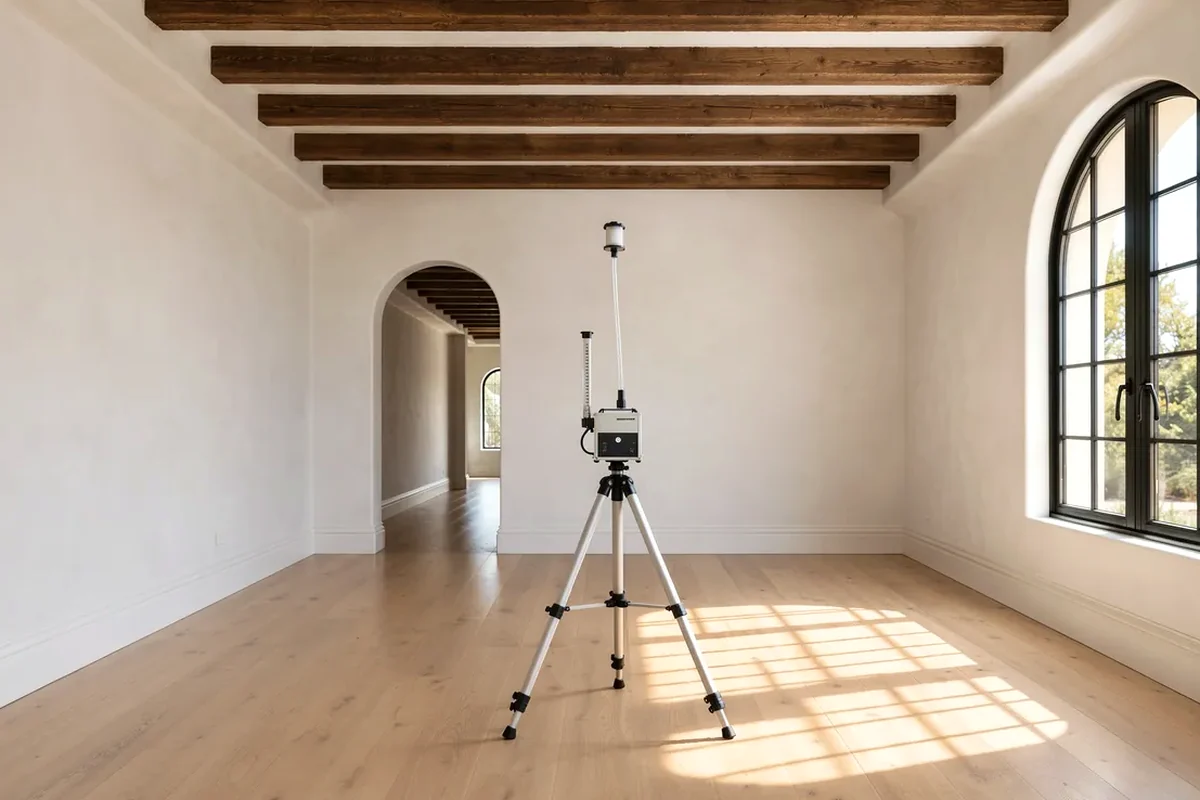
Each air or surface sample goes to a laboratory that charges per sample, and faster turnaround usually costs extra. Ask the assessor how many samples the plan expects and whether a standard schedule fits your closing, listing or move-in date, since rushing the lab is usually where the cost climbs.
Written protocol in hand
Before cleanup begins, ask whether a written protocol exists. Clearance is easiest when it measures the finished work against specific goals set at the start, not a vague standard invented afterward. If none exists, an assessor can still review the finished work and say what is missing.
When to call again
A returning musty smell, new staining or a damp reading in the cleared area is reason to call promptly. Early rechecks are small jobs, and the earlier clearance report gives the assessor a baseline to compare against, which speeds the whole visit.
Rules and offices for New Hill mold jobs
Home repair complaints in North Carolina can go to the Department of Justice consumer protection line, 1-877-5-NO-SCAM. Settle the scope in writing first so there is something to point to.
Renting? N.C.G.S. 42-42 requires landlords to keep a home fit and habitable and to repair supplied plumbing and heating; outside an emergency, send the repair request in writing.
Permits for New Hill addresses are handled by Wake County Permits and Inspections; ask there before load-bearing framing or duct runs are replaced.
Flood water and a burst pipe are usually treated differently by insurers; the state's FRIS flood maps show whether a lot sits in a mapped flood zone.
Help is also available nearby in Holly Springs, Moncure and Apex.
Post-Remediation Clearance Testing questions in New Hill
What is clearance testing after mold removal?
When should clearance happen?
How long does clearance take?
Why recheck a house near the water after heavy rain?
More mold services in New Hill
Post-Remediation Clearance Testing nearby
Helpful guides
Sources
- Wake County Permits and Inspections
- Wake County Permits and Inspections: flood information
- N.C. General Statutes 87-1: general contractor license
- NC Licensing Board for General Contractors: consumer FAQ
- NC Division of Public Health: choosing a mold consultant
- N.C. General Statutes 42-42: landlord to provide fit premises
- NC Flood Risk Information System
Last updated: