Signs include bubbling or peeling paint, a soft or swollen baseboard, a musty smell that lingers and stains that return after painting. Any of these can mean wet material behind the wall. Call the number on this page to be connected with a local mold company in Coats.
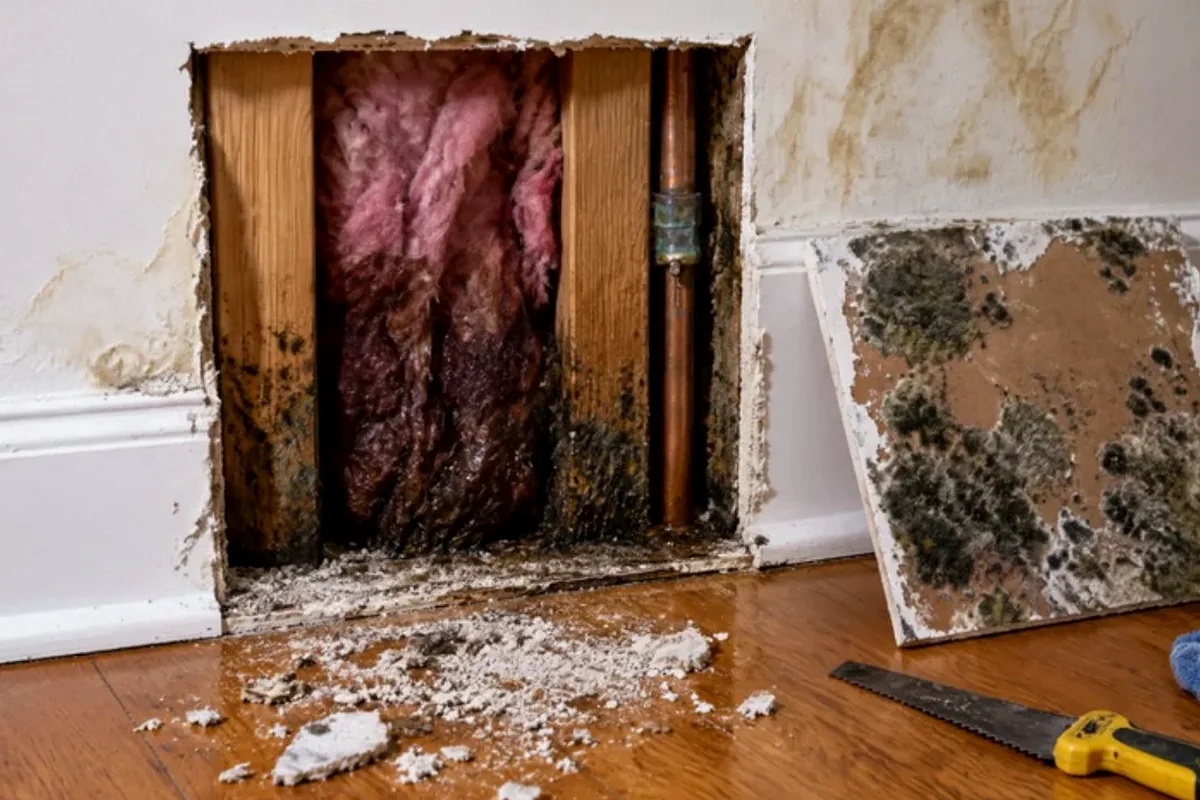
Soft, warm or cold spots
Run your hand along the wall. A cold, clammy patch may be condensation on a poorly insulated exterior wall, while a warm spot can mean a leaking hot line. Soft drywall at the bottom edge often means the wall has been wicking water for some time.
Windows, siding and flashing
Wind-driven rain can sneak in behind siding or around window corners, then run down inside the wall without ever showing on the surface. Aging caulk, missing flashing and loose trim let in small amounts of water each storm, and walls under them slowly soak.
Homes far from city services may rely on well systems and older plumbing, and a hidden leak in a utility wall can run unseen. A musty smell in one room is often the first clue.
Who rebuilds the wall?
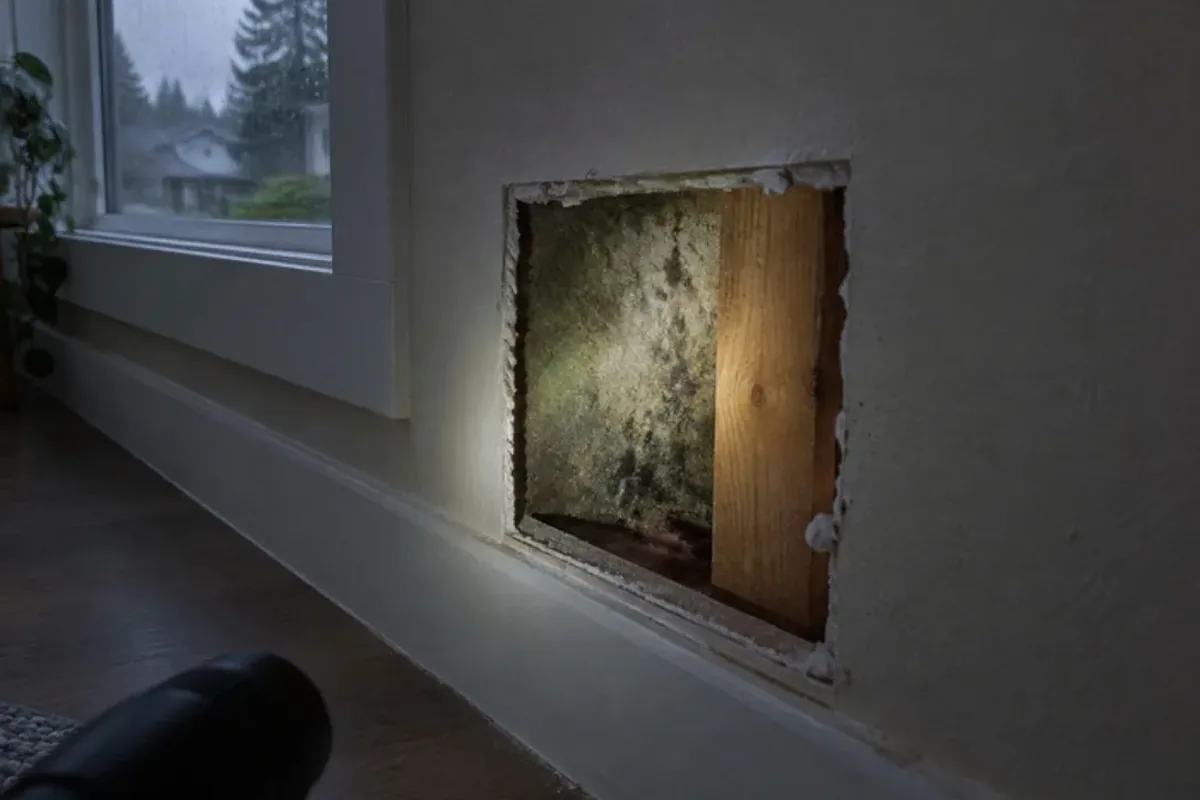
Many mold companies leave the wall open and dry. Replacing insulation, drywall, trim and paint may fall to a general contractor or handyman. Ask who handles the rebuild, since a gap between trades can leave an open cavity sitting for days.
Who to check with in Coats
The NC Division of Public Health suggests not hiring a mold consultant who also sells the remediation, so the person who finds the problem isn't the one paid to fix it.
Tenants should put leak and mold complaints in writing. North Carolina's landlord statute, G.S. 42-42, covers repairs needed to keep a rental fit to live in.
Cleanup on its own rarely needs a permit. Replacing framing, wiring, ductwork or plumbing afterward can, and the local building department can tell you what applies.
If creek or river water came inside, look the address up in North Carolina's Flood Risk Information System and call your insurer before cleanup begins.
Callers here are often matched with companies that work in Fuquay-Varina, Angier and Willow Spring as well.
What the visit looks like
A company usually starts with moisture meter readings, maybe a thermal image, and a look at the likely source. Then it makes a small opening to see the cavity. What it finds sets how far the cut-out goes and how much containment is needed.
Keep humidity down
Use bath fans during showers, run the kitchen hood while cooking and keep a hygrometer in the muggiest rooms. EPA suggests keeping indoor humidity below about 60 percent, ideally 30 to 50. Moving furniture a few inches off exterior walls helps air circulate.
Mold in Walls questions in Coats
Can mold grow behind drywall without showing?
Is it safe to cut open the wall myself?
Does North Carolina require a license for wall mold removal?
Why do exterior walls in my house stay damp?
More mold services in Coats
Mold in Walls nearby
Helpful guides
Sources
- N.C. General Statutes 87-1: general contractor license
- NC Licensing Board for General Contractors: consumer FAQ
- NC Division of Public Health: choosing a mold consultant
- N.C. General Statutes 42-42: landlord to provide fit premises
- NC Flood Risk Information System
- EPA: A Brief Guide to Mold, Moisture and Your Home
Last updated: