Painting over a stain or spraying a surface treatment does not fix mold in a wall. The water source has to be repaired and the damp material dried or replaced. Call the number on this page to be connected with a local mold company in Durham.
Smell without a sight
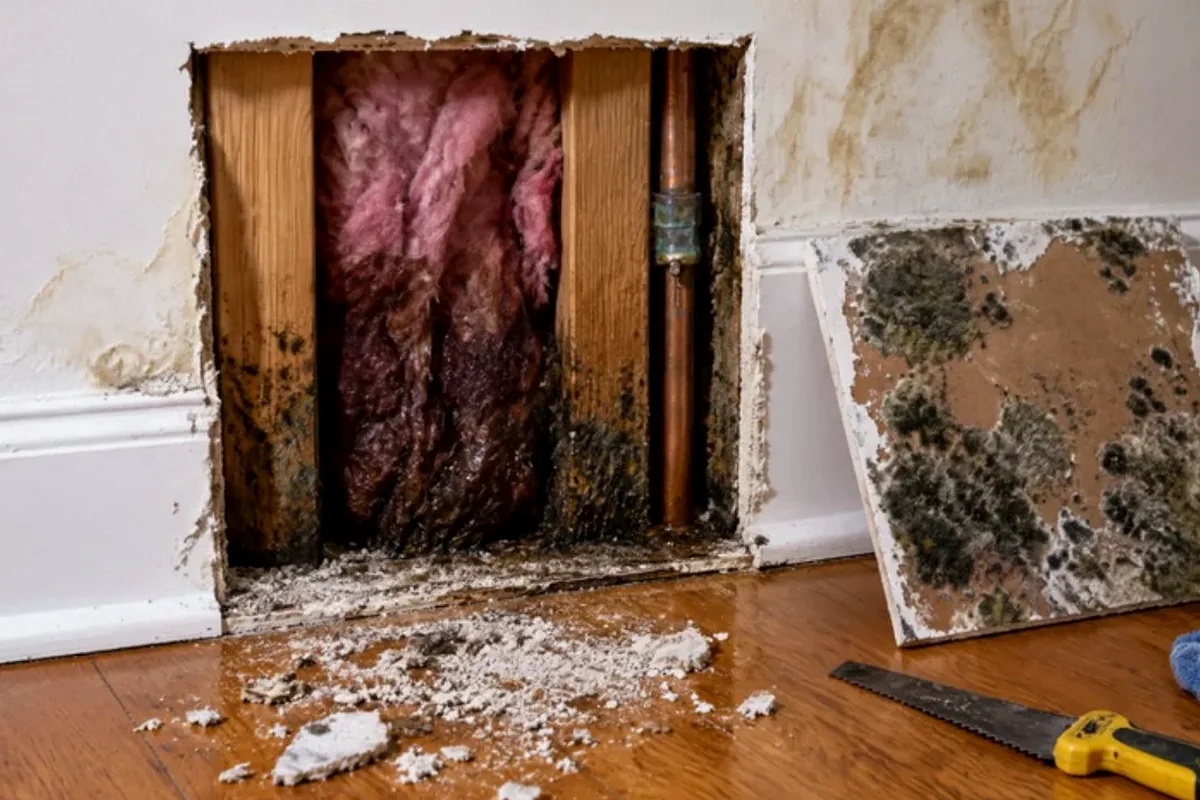
A musty room with nothing to see is common with wall problems, since growth can sit on the back of drywall or inside insulation. Try smelling near outlets and baseboards. A company can confirm with moisture readings and a small inspection hole instead of guesswork.
Hard freeze damage
An occasional hard freeze can split a pipe in an exterior wall or an unheated chase. The break may stay hidden until the thaw, then soak insulation and drywall for hours. Damp patches that appear after a cold snap deserve a prompt look.
Newer construction from the 1990s, as seen across Durham, often uses pressed trim, paper-faced drywall and engineered siding that react badly to repeated wetting behind the surface.
Insurance and documentation
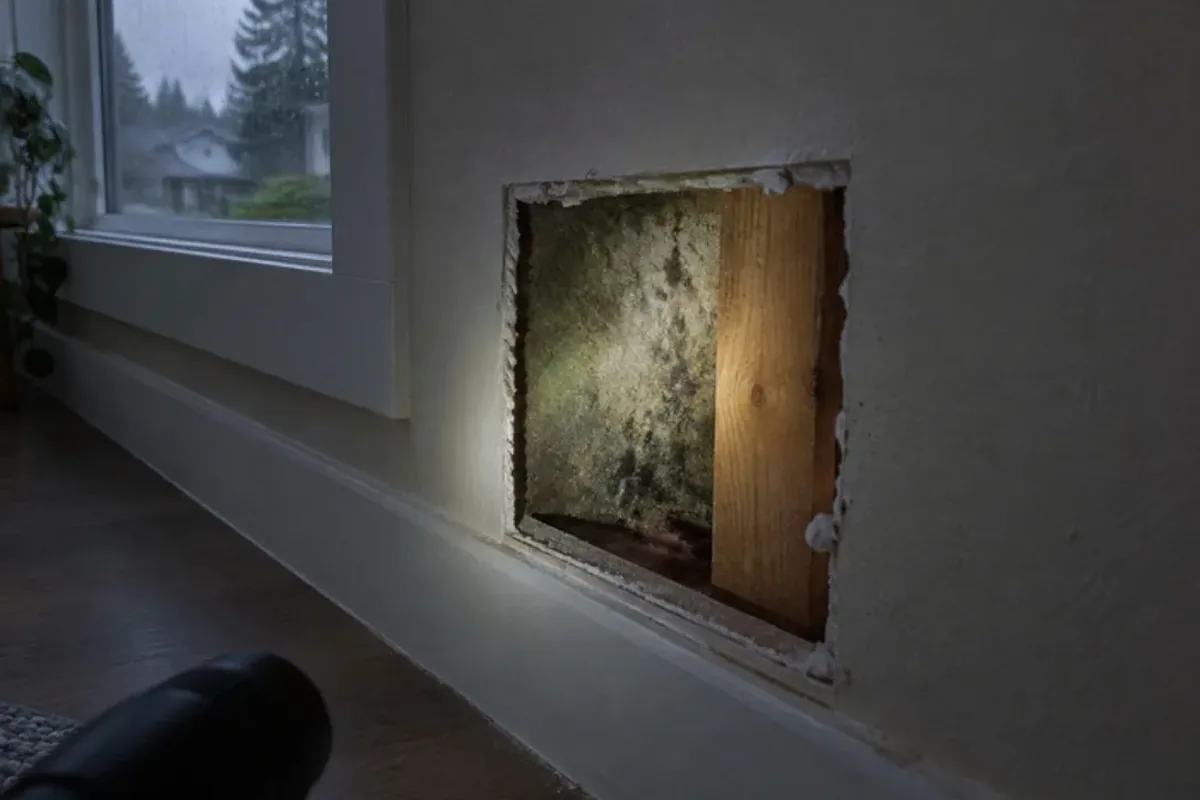
Coverage often depends on whether the water was sudden or came from long-term seepage. Take photos before anything is opened, save moisture readings and invoices, and talk with your agent early. Policy language on mold varies, so read yours rather than assuming.
Rules and offices for Durham mold jobs
Home repair complaints in North Carolina can go to the Department of Justice consumer protection line, 1-877-5-NO-SCAM. Settle the scope in writing first so there is something to point to.
In a rental, written notice to the landlord starts the clock under state law, which requires repairs that keep the unit in a fit and habitable condition.
Once the moldy material is gone, the rebuild is its own step, and some of it, like new ductwork or structural framing, may need sign-off from the Durham City-County Inspections Department.
If creek or river water came inside, look the address up in North Carolina's Flood Risk Information System and call your insurer before cleanup begins.
Help is also available nearby in Morrisville, Carrboro and Butner.
Before the wall is closed
Ask for moisture readings that show the studs are dry, and take photos of the open cavity. Closing a wall too early traps leftover dampness. Some homeowners add a clearance check by a separate assessor before the drywall goes back up.
Dry it fast
Time matters more than any product. EPA advises drying wet materials within 24 to 48 hours. If a pipe let go or water came in, shut it off, pull baseboards where possible, run fans and a dehumidifier, and call before the wall stays damp for days.
Durham at a glance
Calls come in from across Durham, including Trinity Park, Watts-Hillandale, Duke Park.
The City of Durham describes the Third Fork Creek watershed as an older portion of Durham south of the Durham Freeway; it drains to Jordan Lake and the Cape Fear River basin.
Mold in Walls questions in Durham
Is it safe to cut open the wall myself?
How long does it take for a wall to dry out?
What if the leak is fixed but the wall still smells?
Does North Carolina require a license for wall mold removal?
More mold services in Durham
Mold in Walls nearby
Helpful guides
Sources
- Durham City-County Inspections Department
- N.C. General Statutes 87-1: general contractor license
- NC Licensing Board for General Contractors: consumer FAQ
- NC Division of Public Health: choosing a mold consultant
- N.C. General Statutes 42-42: landlord to provide fit premises
- NC Flood Risk Information System
- EPA: A Brief Guide to Mold, Moisture and Your Home
Last updated: